

TACOMANIA
The Best Tacos in Mexico City, From Michelin-Worthy Classics to Soccer-Night Legends
The Best Tacos in Mexico City, From Michelin-Worthy Classics to Soccer-Night Legends
Nobody really finishes understanding tacos in Mexico City.
You can spend an entire weekend here eating exceptionally well and still leave feeling like you barely scratched the surface. One neighborhood specializes in al pastor shaved directly from the trompo. Another quietly perfects slow-cooked suadero. Somewhere else, a chef is reinventing heirloom corn tortillas with almost obsessive precision. And at 1:00 a.m., half the city somehow agrees that standing on a sidewalk eating tacos is still a perfectly respectable life decision.
That’s part of what makes taco culture in CDMX so fascinating: it exists simultaneously as street food, ritual, comfort food, nightlife, culinary craftsmanship, and civic identity.
But for travelers visiting neighborhoods like Roma, Condesa, and Polanco, especially for the first time, the challenge isn’t finding tacos. It’s figuring out which ones are actually worth planning part of your trip around.
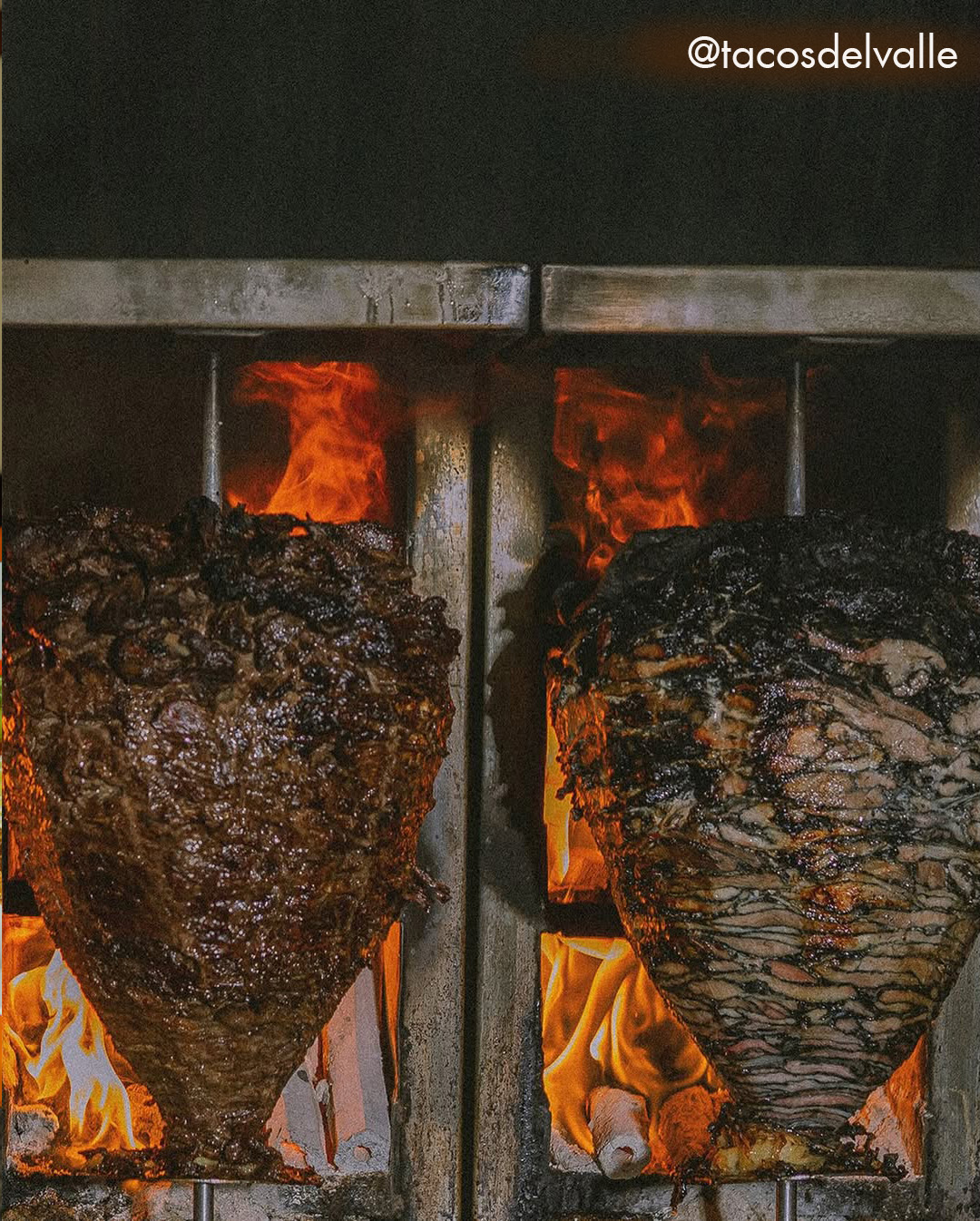
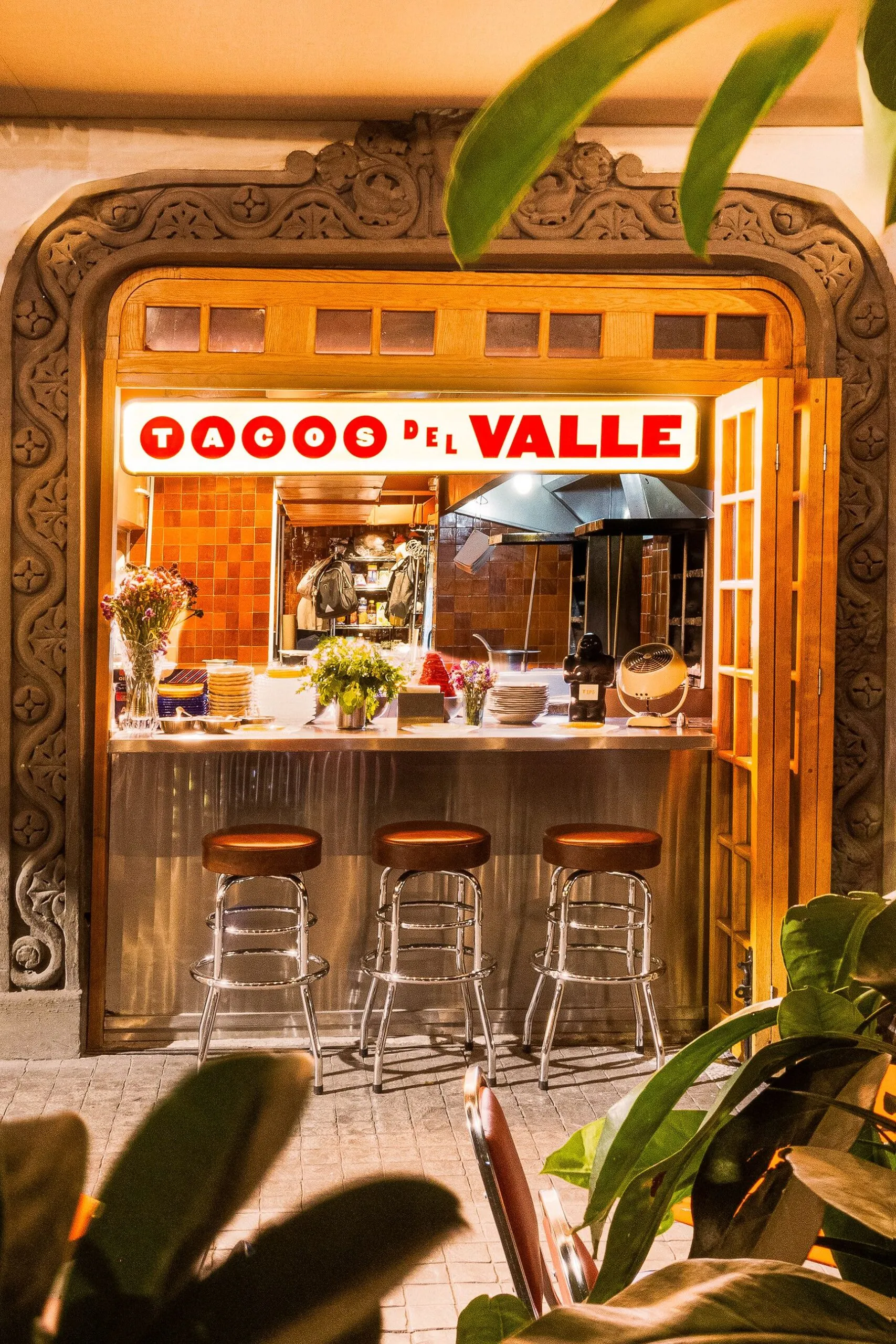
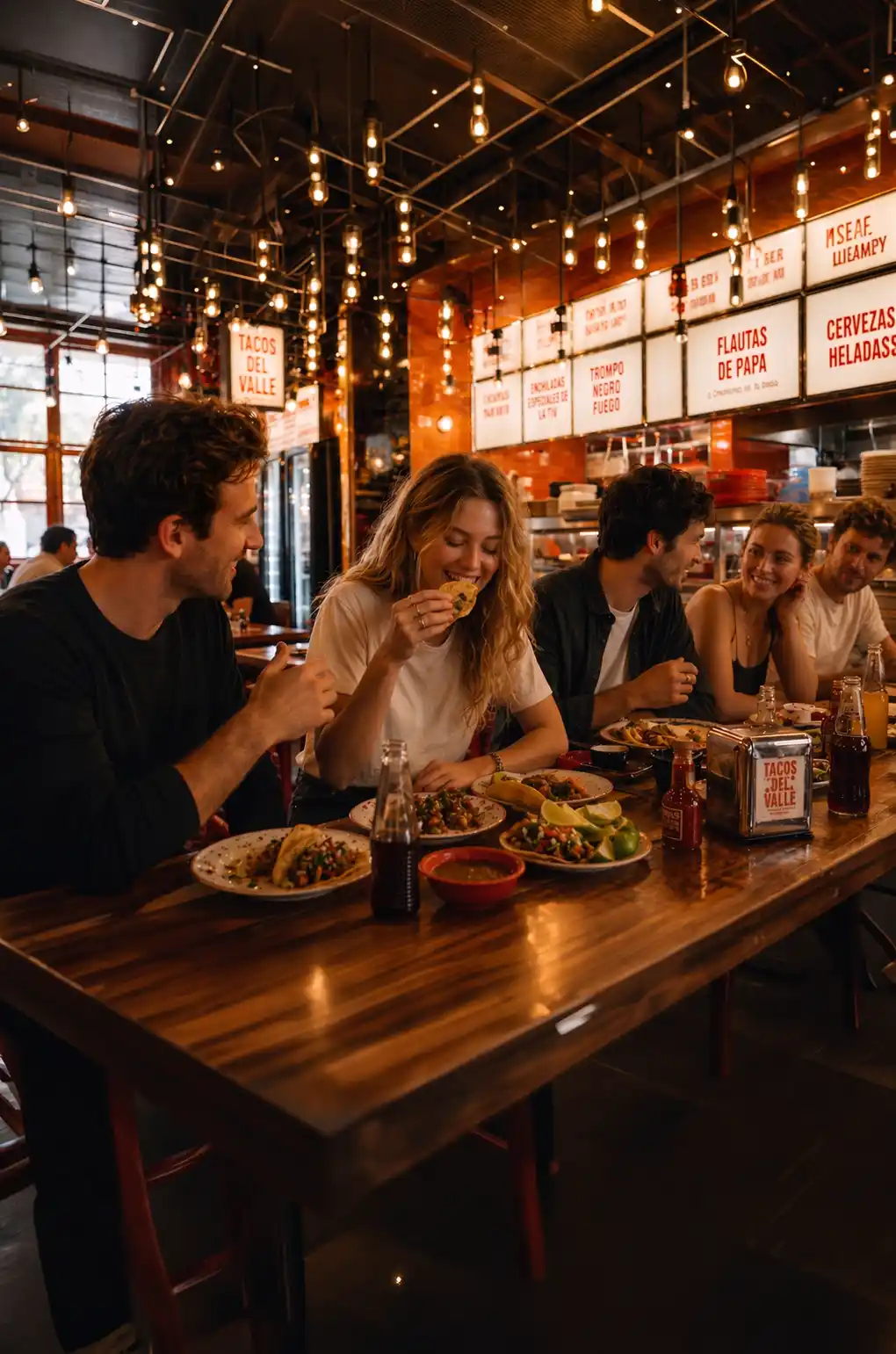
Because yes, Mexico City has extraordinary street tacos. But it also has polished northern-style taquerías, deeply local institutions, Michelin-recognized classics, and taco spots so woven into the city’s match-day energy that visiting during the World Cup almost feels incomplete without them.
So rather than trying to rank “the best tacos in Mexico City,” consider this a more useful approach: where to go depending on the kind of taco experience you actually want.
The Late-Night Classics Worth Staying Out For
Every great Mexico City night eventually points toward tacos.
Sometimes intentionally. Sometimes inevitably.
And while Roma and Condesa have evolved into some of the city’s most design-forward neighborhoods, they still understand the sacred importance of ending the night properly.
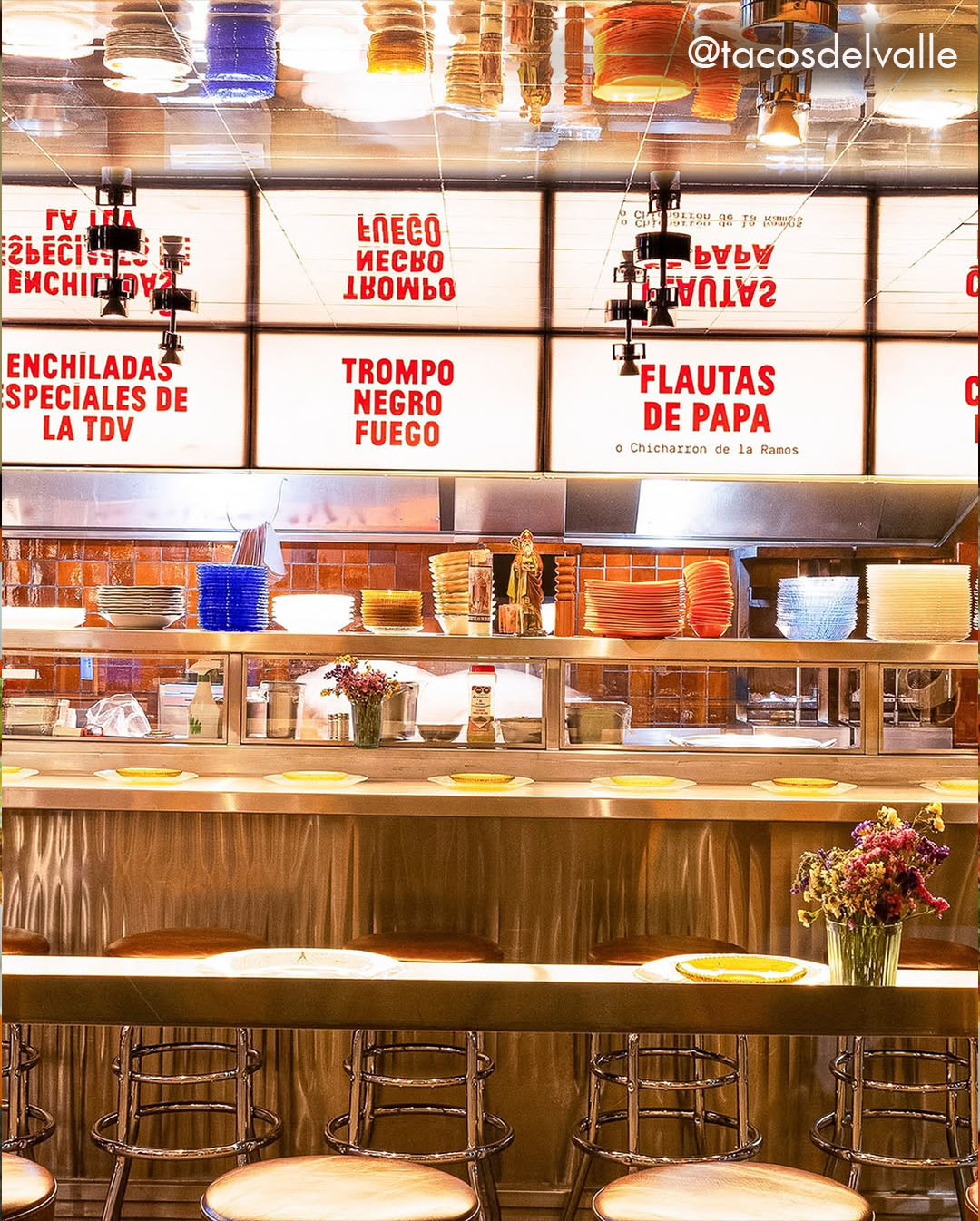
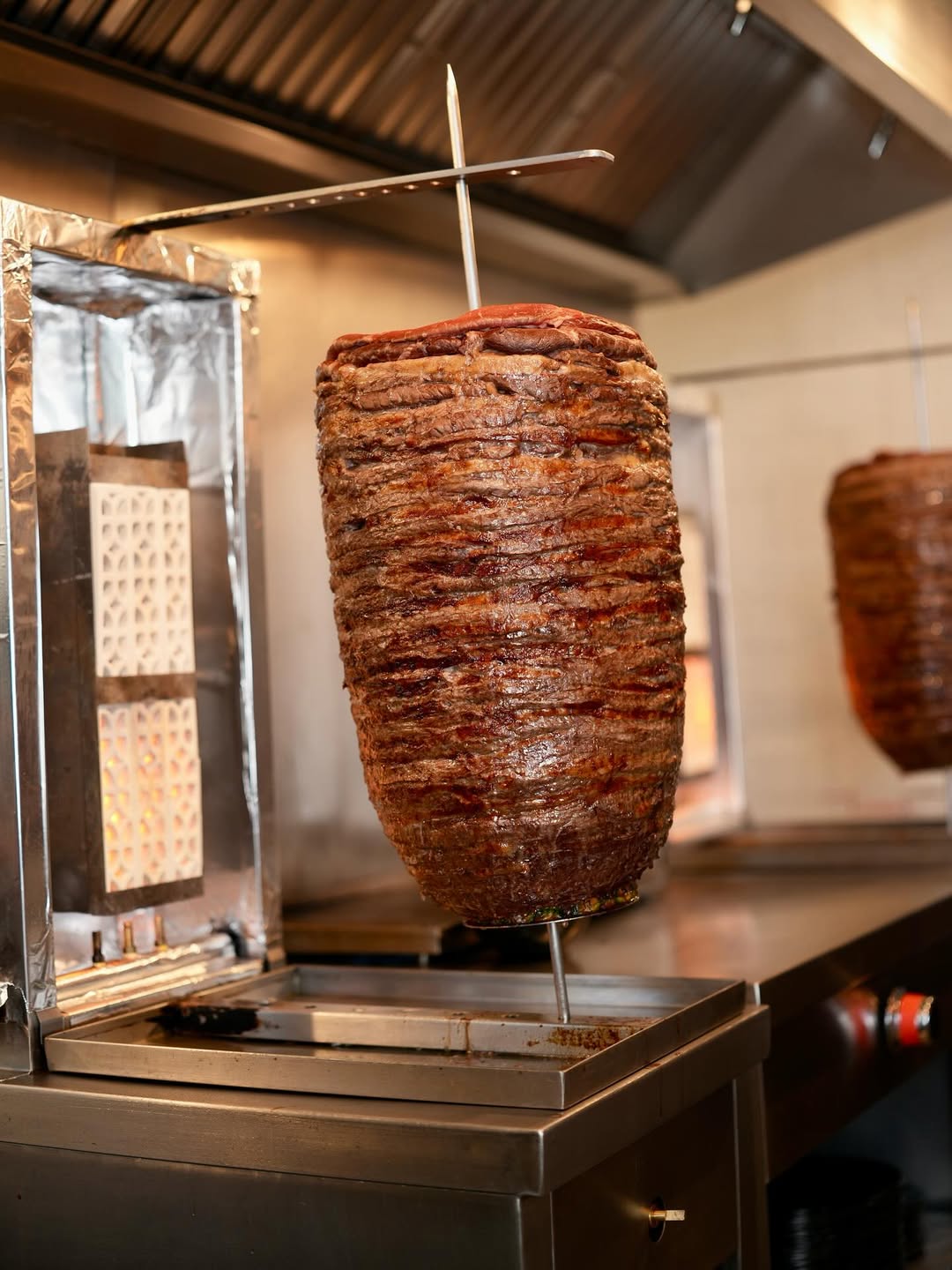
Orinoco has become one of the city’s most recognizable modern taquerías for a reason. Originally from Monterrey, the concept brought northern-style flour tortillas, trompo tacos, and a slightly retro aesthetic that somehow feels both highly curated and genuinely casual. Yes, there are usually lines. Yes, people debate whether it’s “too popular” now. It’s still worth going.
The campechano and chicharrón tacos remain essential orders, particularly later at night when the atmosphere shifts from casual dinner crowd into full taco pilgrimage mode.
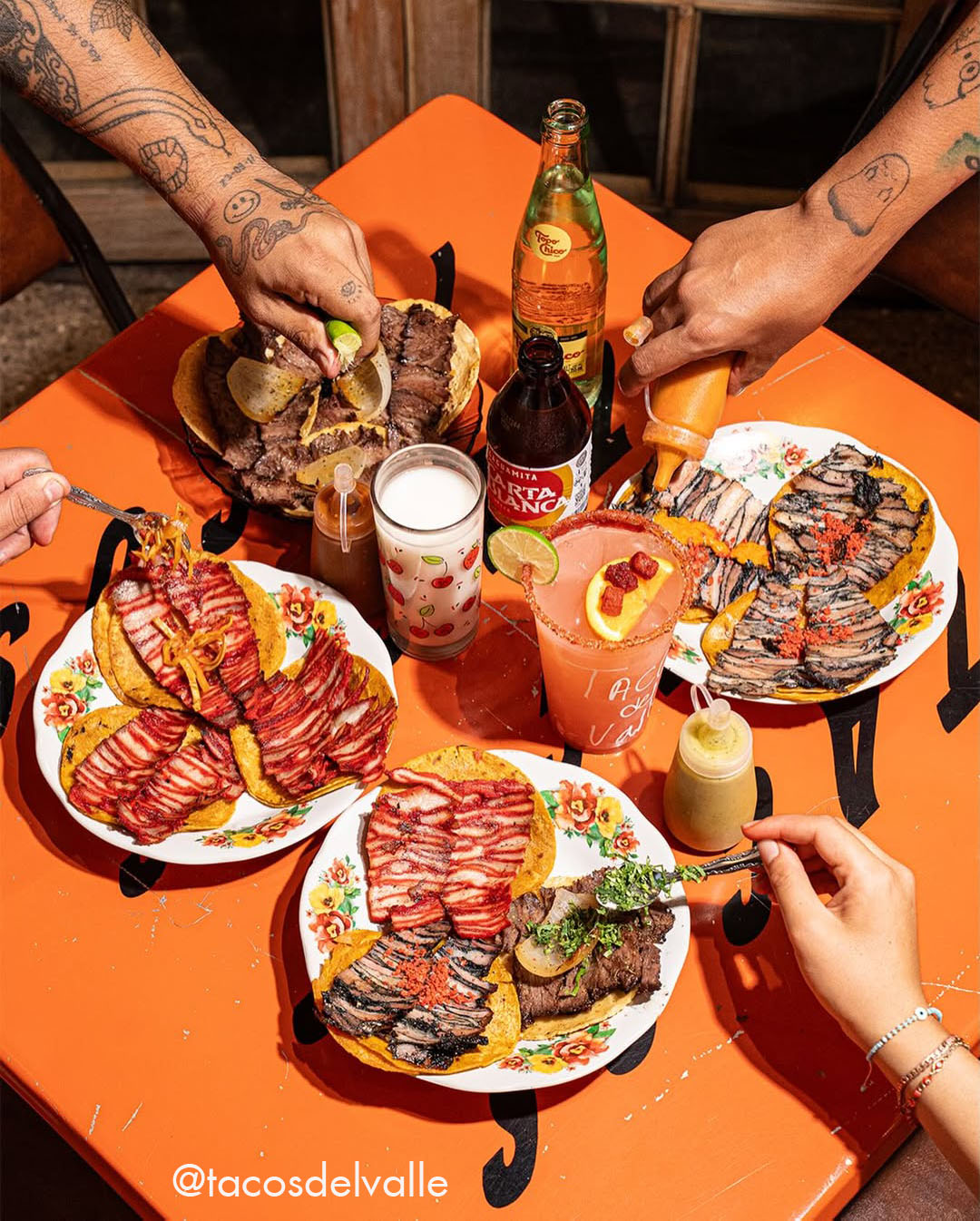
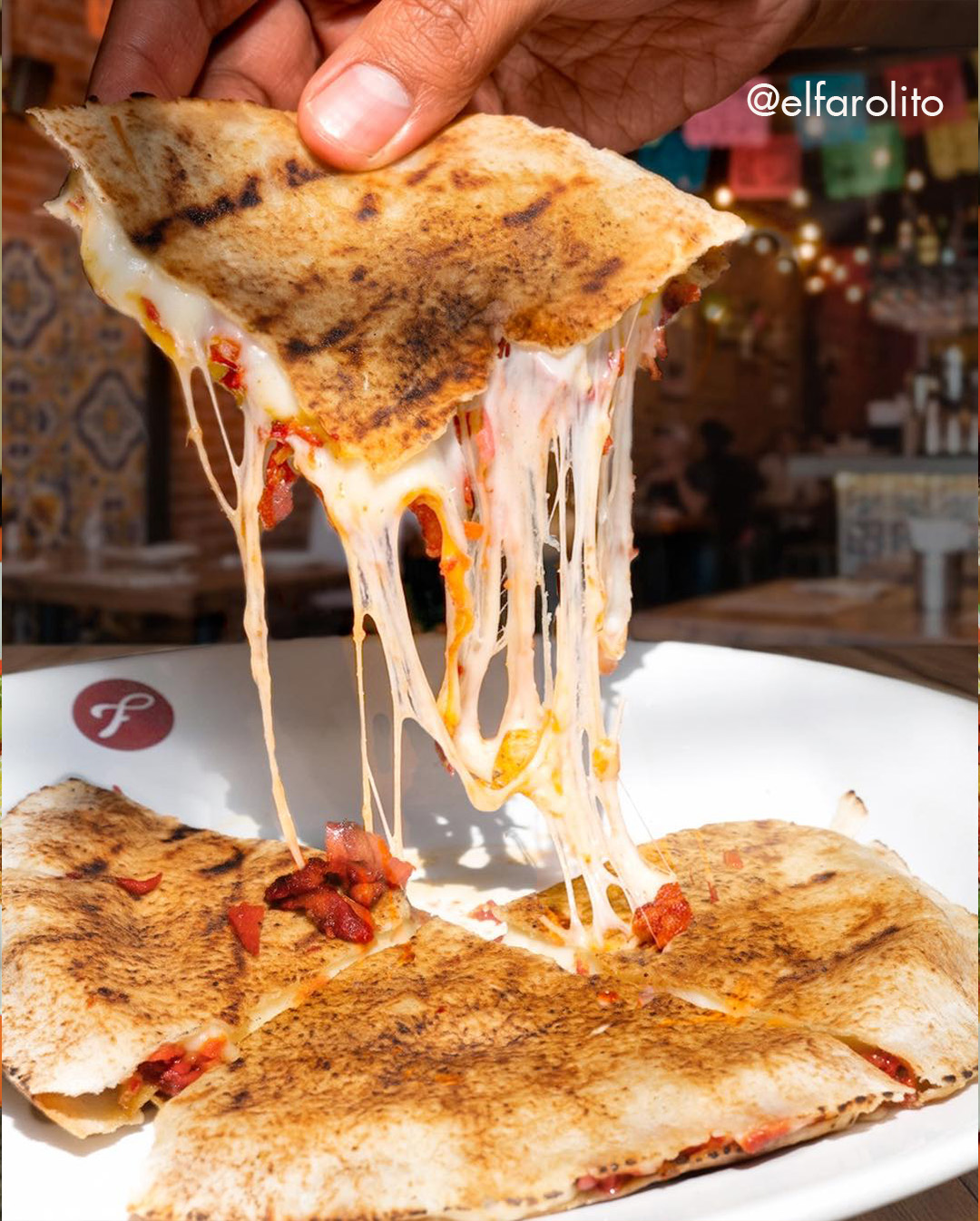
Then there’s El Farolito, one of those places locals reference almost nonchalantly because it has simply always been there. Which is usually how you know something matters in Mexico City.
Its al pastor may not generate the same social media frenzy as newer taquerías, but it remains deeply reliable and particularly approachable for travelers looking for a classic Mexico City taco experience without fully diving into the city’s more chaotic late-night street-food ecosystem.
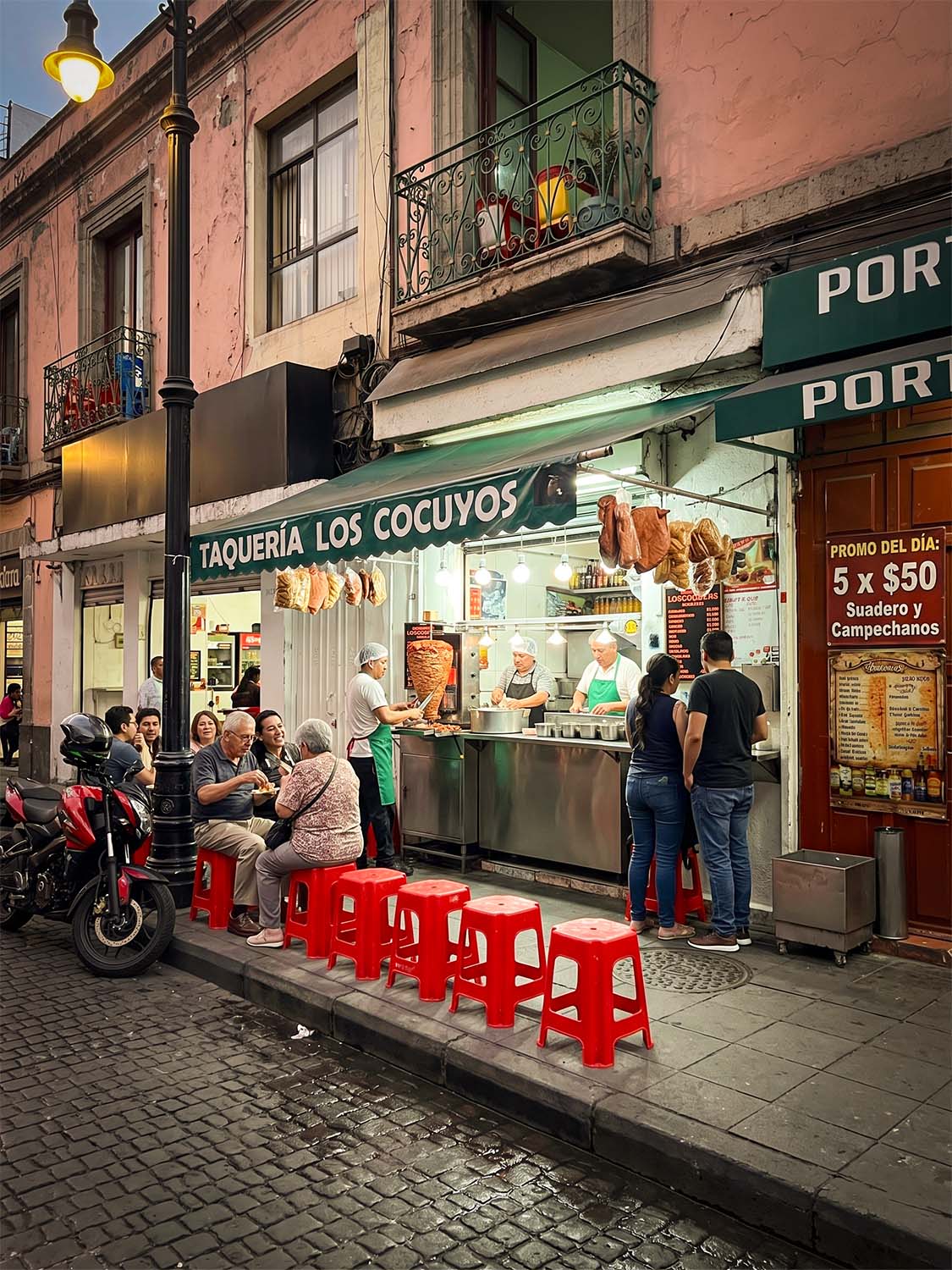
And eventually, if you spend enough time talking tacos with locals, someone will tell you to go to Los Cocuyos.
Usually with a tone that sounds slightly dramatic, like they’re handing you access to classified information.
Located in the historic center, Los Cocuyos represents a completely different side of the city. Louder, denser, more kinetic. The suadero tacos are legendary, the late-night energy borders on cinematic, and the entire experience feels deeply old-school Mexico City in the best possible way.
This is not polished taco culture. It’s visceral taco culture.
And absolutely worth experiencing at least once.
The Michelin-Approved Taco Detour
If there’s one place that perfectly explains where Mexico City’s food scene stands today, it’s El Califa de León.
The now-famous taquería made international headlines after receiving a Michelin star, which initially confused many outsiders until they actually tasted the taco.
Because the brilliance of El Califa de León isn’t reinvention. It’s precision.
The menu remains famously minimal. The space itself is remarkably humble. But every detail, from the tortilla to the cut of meat to the timing on the grill, feels obsessively controlled.
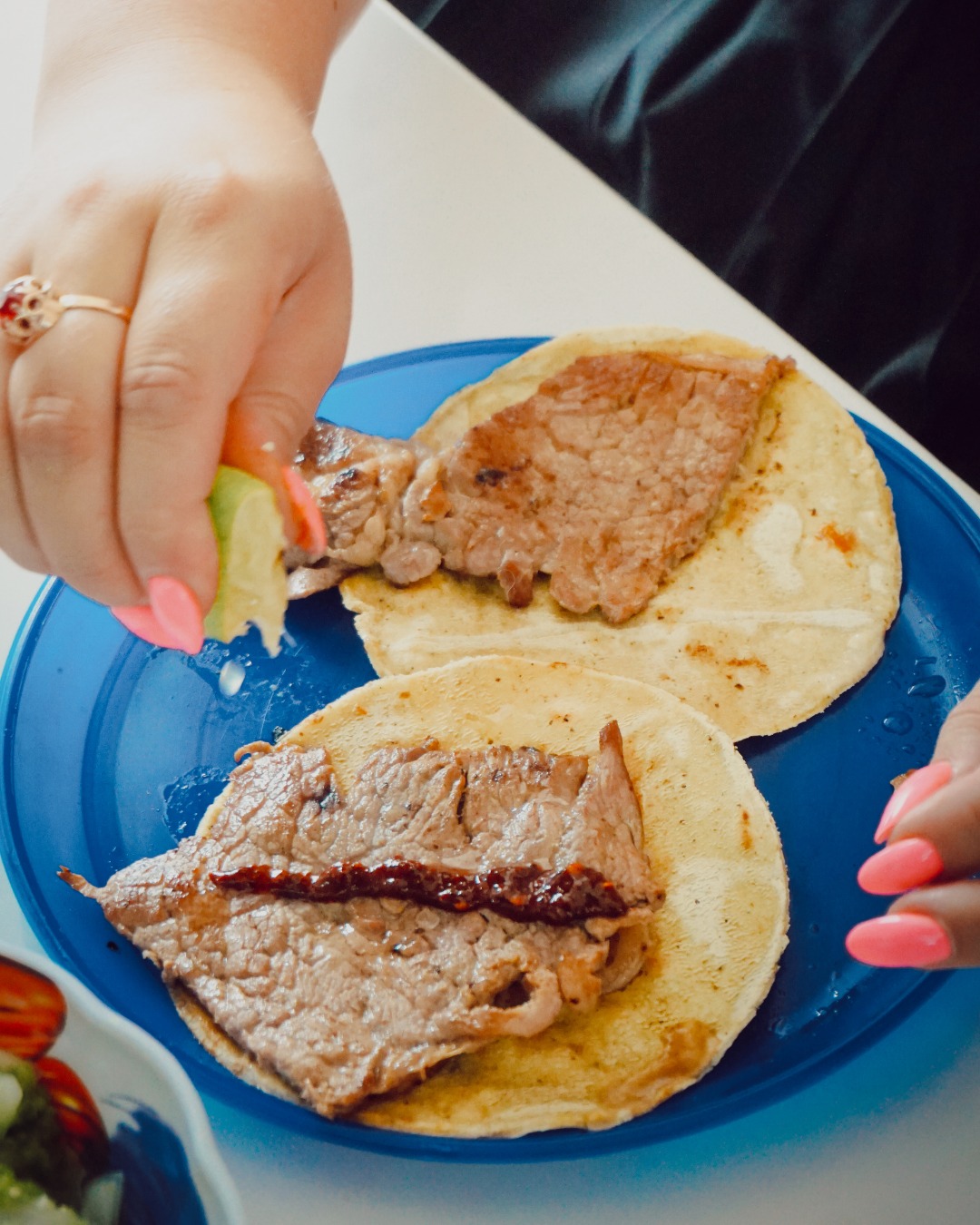
The gaonera taco is the essential order.
Located outside the Roma-Condesa-Polanco circuit, El Califa requires a bit more intentionality to visit. But without severe traffic, it remains a relatively manageable ride from those neighborhoods and absolutely the kind of meal that becomes part of the story you tell afterward.
This is also what makes Mexico City’s taco scene so compelling right now: the city no longer separates “street food” from “fine dining.” The two worlds increasingly overlap.
Sometimes the most memorable meal of a luxury trip isn’t a tasting menu. It’s a nearly perfect taco eaten standing up.
Where Tacos Get More Refined
Not every taco experience in Mexico City needs fluorescent lights and plastic stools.
Polanco, in particular, offers a more polished interpretation of taco culture while still respecting tradition.
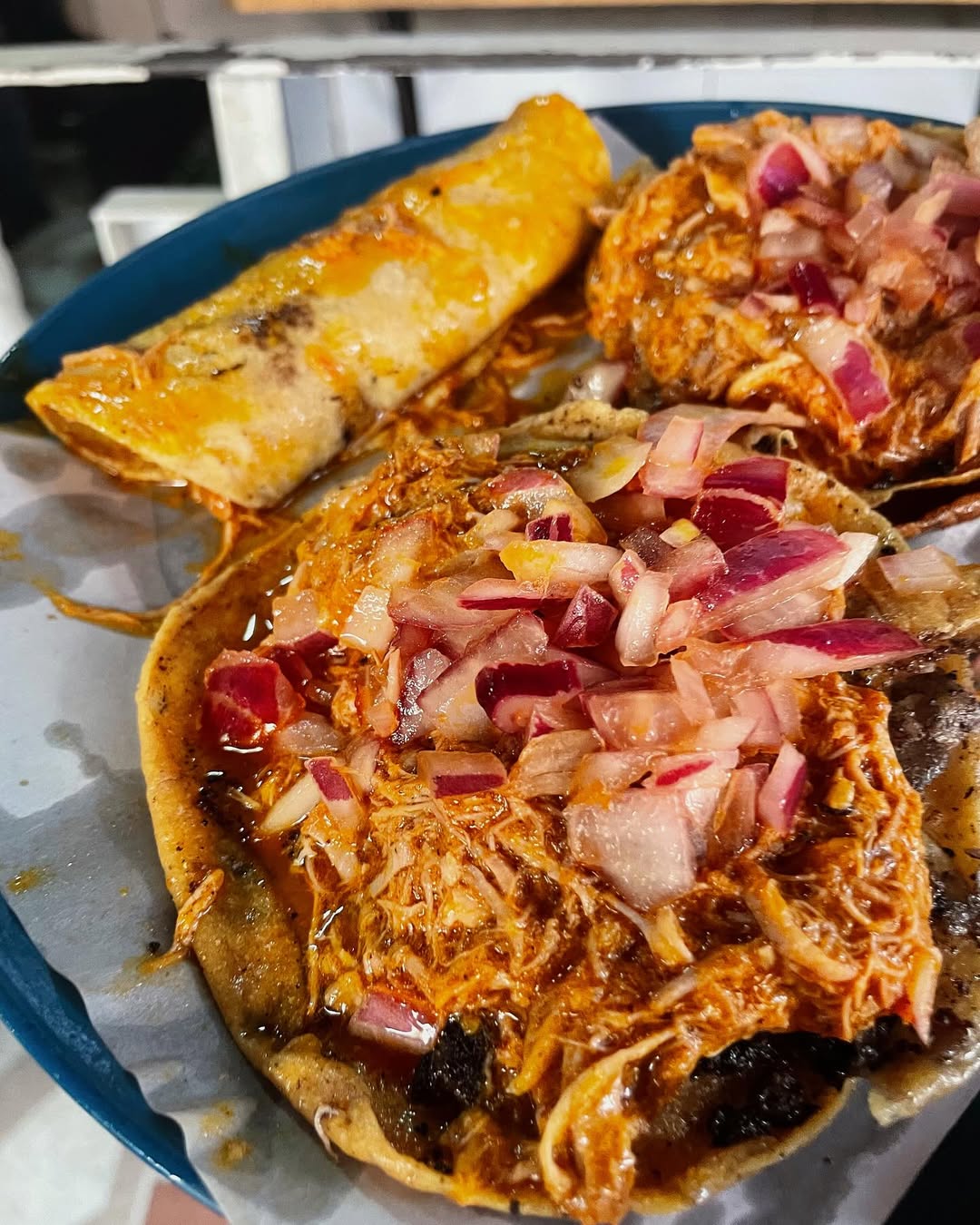
Tacos del Turix remains one of the city’s most iconic Yucatán-style institutions, famous for cochinita pibil that somehow feels both deeply rich and surprisingly delicate at the same time. Fast-moving, casual, and deeply local despite its upscale surroundings, it’s one of those places that both tourists and longtime residents continue returning to for the exact same reason: consistency.
Order the cochinita tacos. Approach the habanero carefully unless you enjoy making dramatic life decisions.
La Única leans further into the upscale side of the spectrum, where tacos naturally become part of a longer lunch involving cocktails, sobremesa, and absolutely no rush to leave. It works especially well for travelers wanting a softer introduction to the city’s taco scene without abandoning comfort or atmosphere.
Then there’s Expendio de Maíz, which almost resists categorization entirely.
Part taco experience, part culinary philosophy, the tiny Roma restaurant operates without a traditional menu and with an extraordinary level of respect for Mexican corn-based cuisine. The dishes shift constantly depending on seasonality and ingredients, but the underlying idea remains consistent: traditional Mexican techniques treated with remarkable seriousness and care.
It’s less a taco stop and more a reminder that tacos belong to a much larger, deeply sophisticated culinary ecosystem.
The Tacos That Became Part of Mexico City’s Stadium Ritual
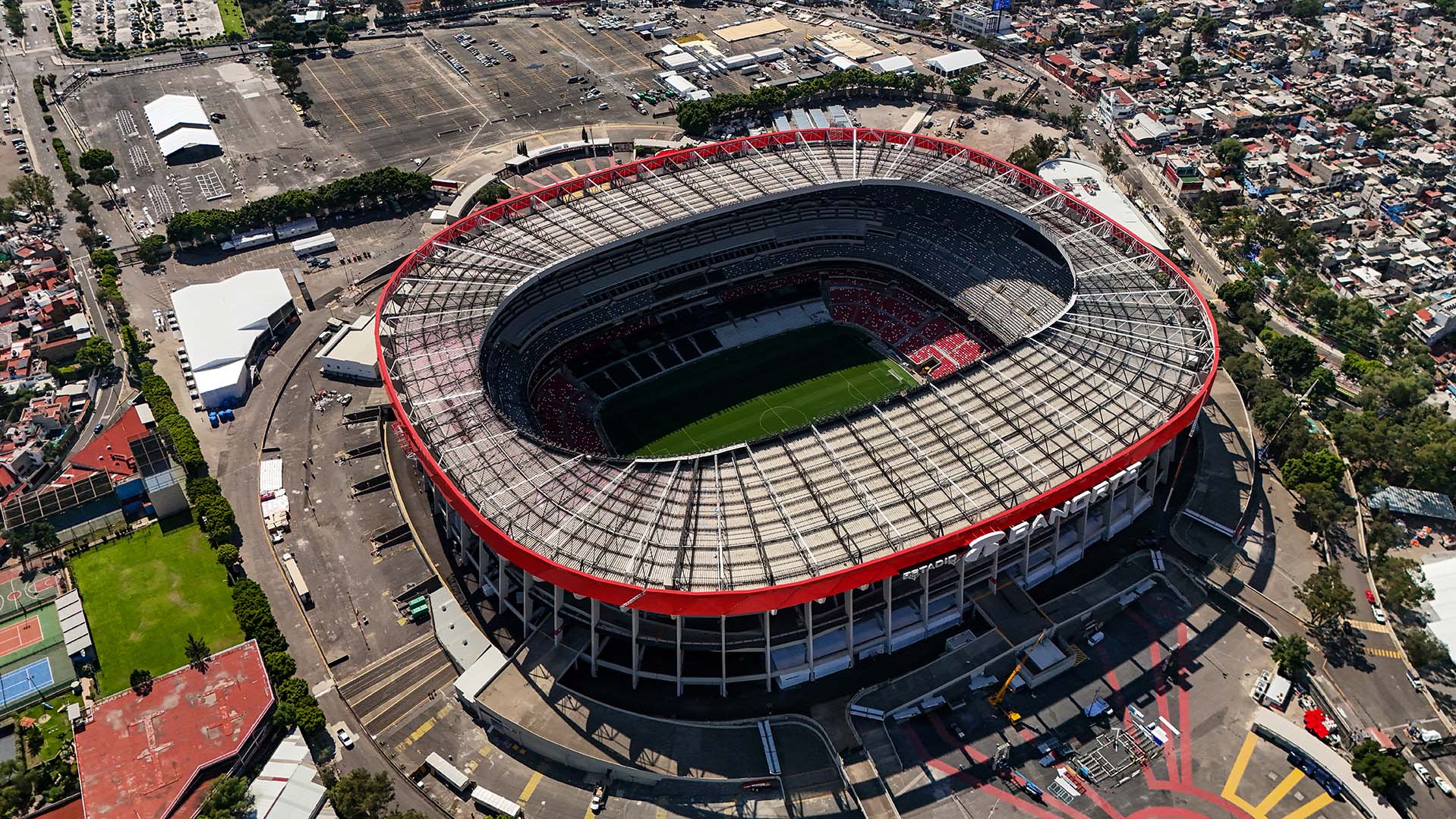
If Mexico City has unofficial World Cup tacos, El Remolkito del Sirloin might be the closest thing.
Long before it became one of the city’s most recognizable modern taquerías, the concept started with a very specific ambition. Founder Luis Fernando González reportedly opened the original remolque near Estadio Azteca hoping to meet Club América players, eventually building a taco institution deeply tied to the stadium-going identity of southern Mexico City.
What made the place stand out was also unusual for its time: tacos built around sirloin rather than more traditional cuts.
Traditional taco purists may argue that sirloin tacos sit slightly outside classic Mexico City taco orthodoxy. That debate usually lasts until the first bite. Because the meat really is exceptional.
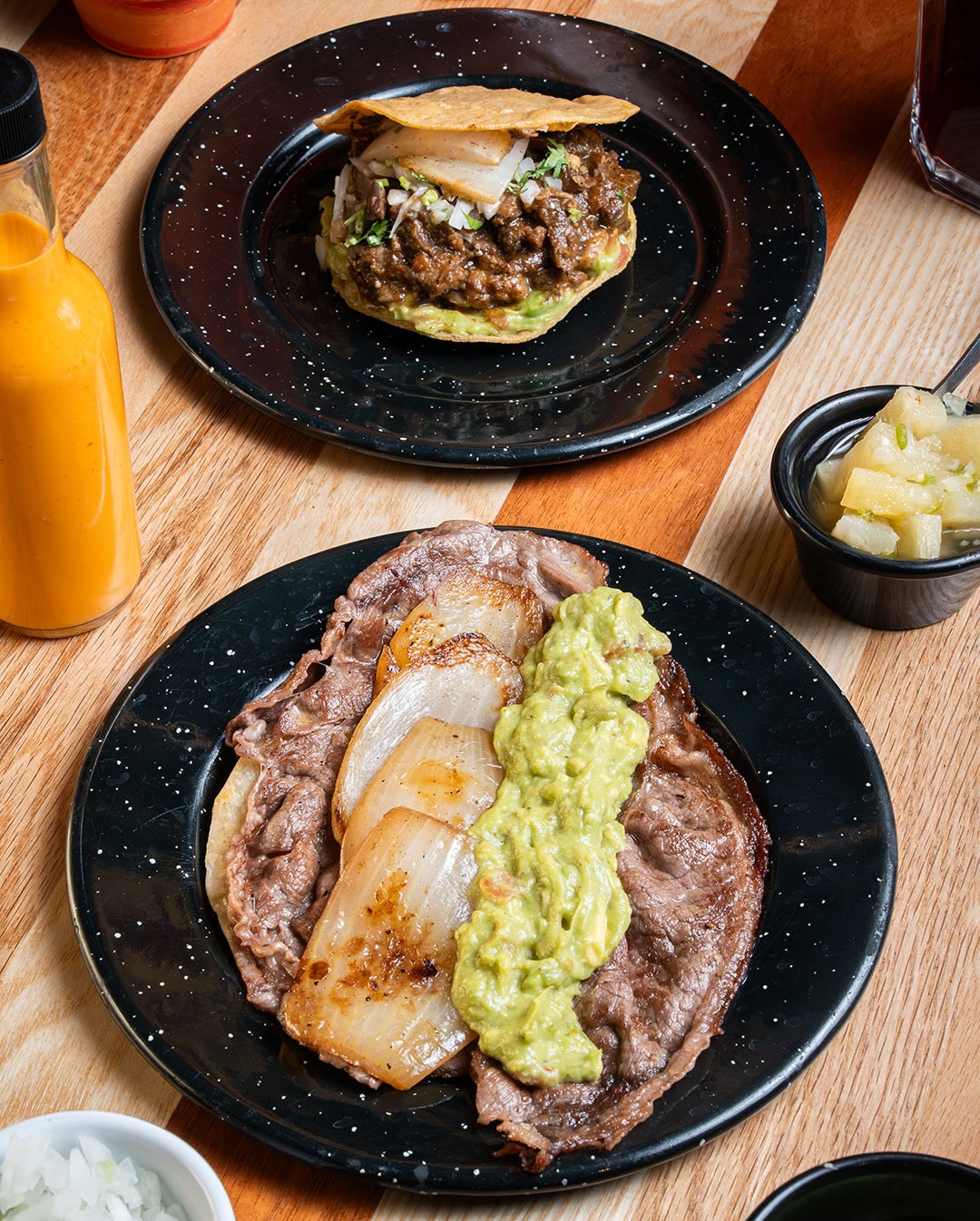
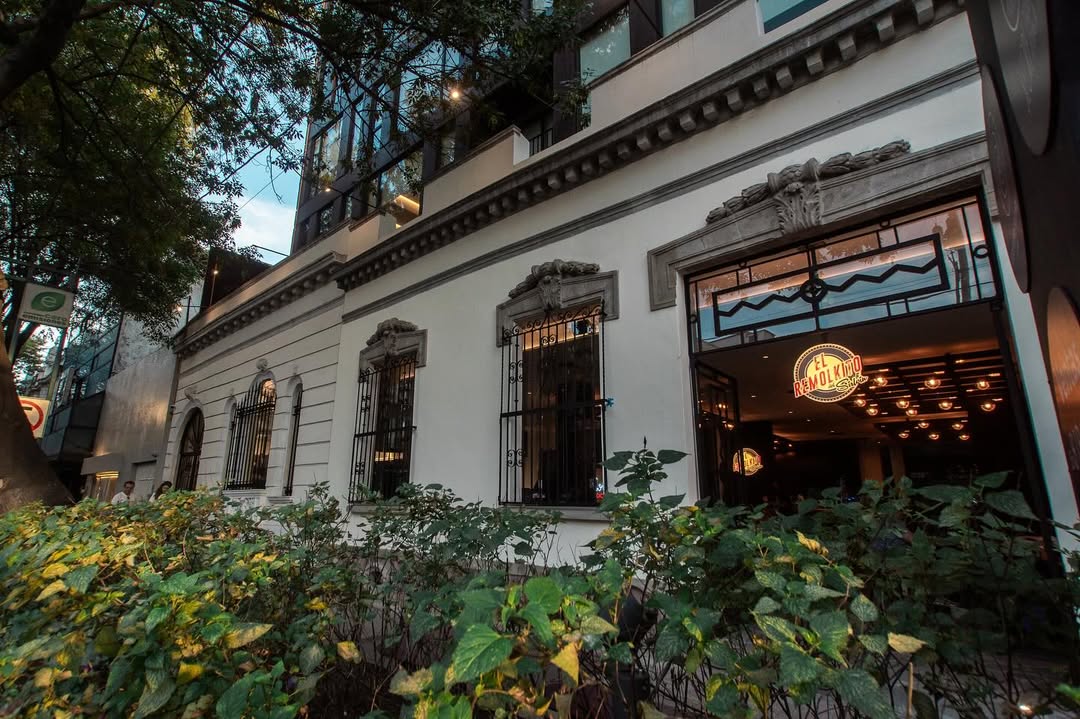
Thinly sliced, intensely flavorful, cooked over charcoal, and noticeably higher quality than what many visitors expect from a taquería, El Remolkito somehow balances game-night atmosphere with genuinely excellent ingredients. It feels less like a tourist taco stop and more like a place locals actually crave before and after matches.
The Roma location works particularly well for travelers staying around Condesa and Roma Norte, with a more polished atmosphere, comfortable seating, and easy Uber access. Most branches feel surprisingly refined by taquería standards, making them especially approachable for international visitors wanting an authentic experience without diving directly into full sidewalk chaos.
But during the World Cup, the Periférico Sur location becomes part of the experience itself.
Located remarkably close to Estadio Azteca, many fans treat it as a pre-game ritual before walking toward the stadium alongside the rest of the crowd. On match days, the area becomes heavily active with supporters heading into the venue, creating an atmosphere that feels energetic, communal, and deeply tied to the stadium-going identity of southern Mexico City.
The important caveat: arrive early.
Showing up too close to kickoff will almost certainly mean long waits, packed tables, and intense traffic around the stadium corridor. The smarter move is embracing the atmosphere slowly and treating the tacos as part of the event itself rather than simply eating on the way to the match.
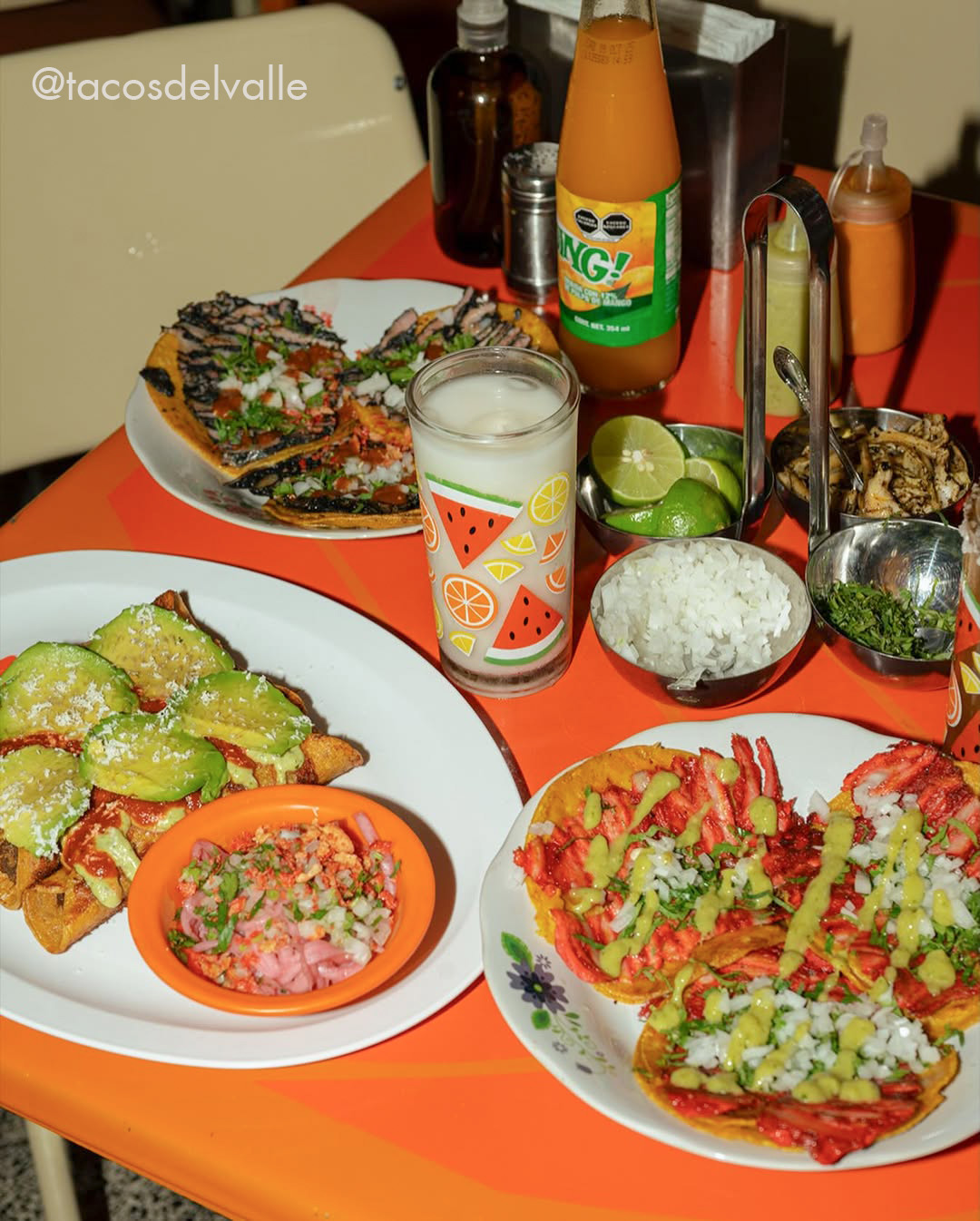
Order the house sirloin tacos. Add queso gratinado. Then finish them properly with lime, cebolla, cilantro, the smoky salsa tatemada, and their signature piña en vino, which cuts through the richness of the meat almost perfectly.
At that point, the Soccer obsession around the place starts making complete sense.
The Best Taco Strategy for Visiting Mexico City
The biggest mistake travelers make in Mexico City is trying to “complete” tacos.
You can’t.
The city contains too many regional influences, too many styles, too many opinions, and honestly too many excellent tortillas for that to happen in a single trip.
A much better approach is pacing yourself neighborhood by neighborhood.
Spend a slow afternoon in Roma moving between cafés, galleries, and an eventual taco stop. Let Condesa naturally evolve into late-night al pastor. Build an entire Polanco lunch around cochinita pibil and mezcal. Leave room for spontaneity.
Because the best taco experiences in Mexico City rarely happen in isolation. They happen between walks, conversations, parks, bars, long lunches, and neighborhoods you accidentally end up spending hours inside.
That’s also why where you stay matters more than people initially assume.
The best version of Mexico City is the one you experience slowly, with enough time and proximity to actually move through its neighborhoods naturally. Boutique stays like Viadora fit particularly well into that rhythm, not because they try to package the city into a curated checklist, but because they position travelers close enough to properly explore it.
And in a city this obsessed with food, that proximity becomes part of the luxury itself.
Meet the Author — Leopoldo Riquelme
A passionate storyteller inspired by Mexico City’s culture, neighborhoods, food scene, and evolving creative community.