

WORLD CUP MEXICO CITY
Where to Stay, What to Expect, and How to Do It Right
World Cup Mexico City: Where to Stay, What to Expect, and How to Do It Right
There are few cities in the world built for collective energy quite like Mexico City.
The scale helps, of course. So does the altitude, the endless late dinners, the organized chaos, the fact that the city somehow manages to feel both overwhelming and deeply livable at the same time. But during the World Cup, that energy shifts into something else entirely. Entire neighborhoods start vibrating differently. Sidewalk cafés turn into unofficial watch parties. Reservations become strategic warfare. A casual Tuesday night suddenly feels like the final scene of a sports documentary.
And yet, the smartest way to experience the World Cup in Mexico City may have surprisingly little to do with Soccer itself.
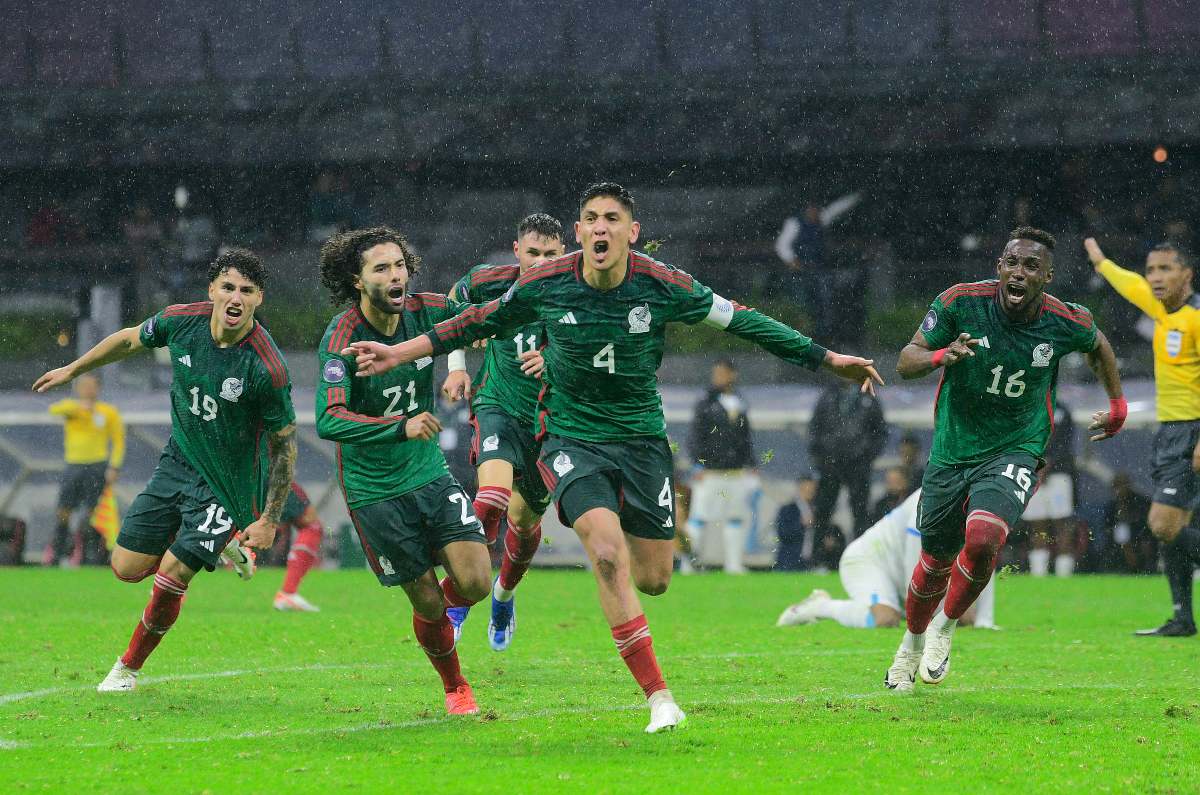
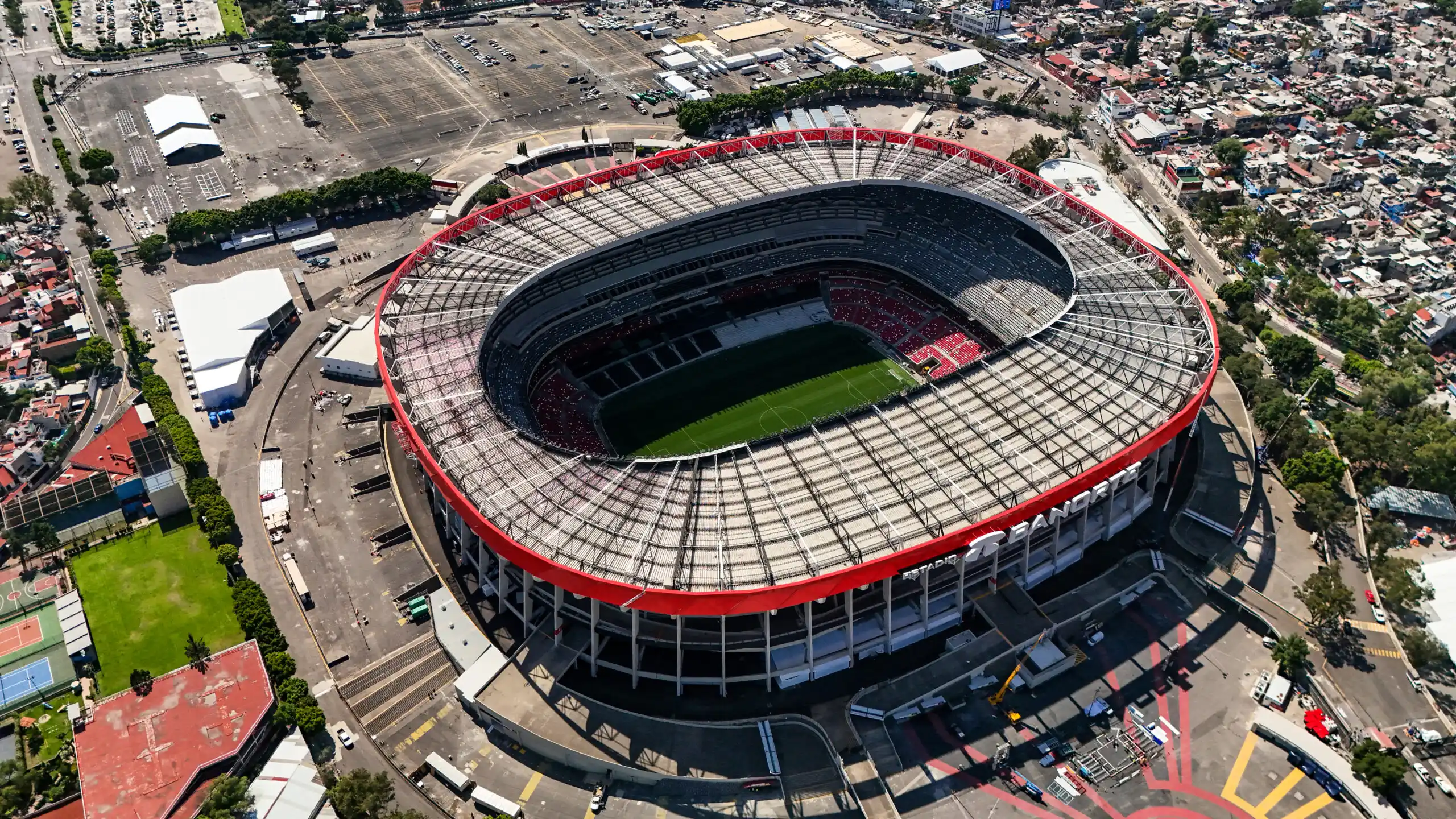
Because while matches will dominate headlines, the real experience happens between them: long lunches in Roma, mezcal-fueled conversations in Condesa, spontaneous dinners in Polanco, morning coffee walks after late-night celebrations, and the luxury of staying somewhere that still feels calm once the city’s adrenaline kicks into high gear.
That’s where choosing where to stay becomes less about proximity to the stadium and more about how you actually want to experience the city.
Where to Stay in Mexico City During the World Cup
Many travelers visiting for the World Cup will instinctively search for hotels near the stadium. On paper, it sounds logical. In practice, Mexico City doesn’t work that way.
Traffic during major events can become unpredictable, and neighborhoods closest to large venues often lose the very thing travelers come to Mexico City for in the first place: walkability, culture, restaurants, design, and atmosphere.
The better strategy is staying in neighborhoods that give you access to the city itself.
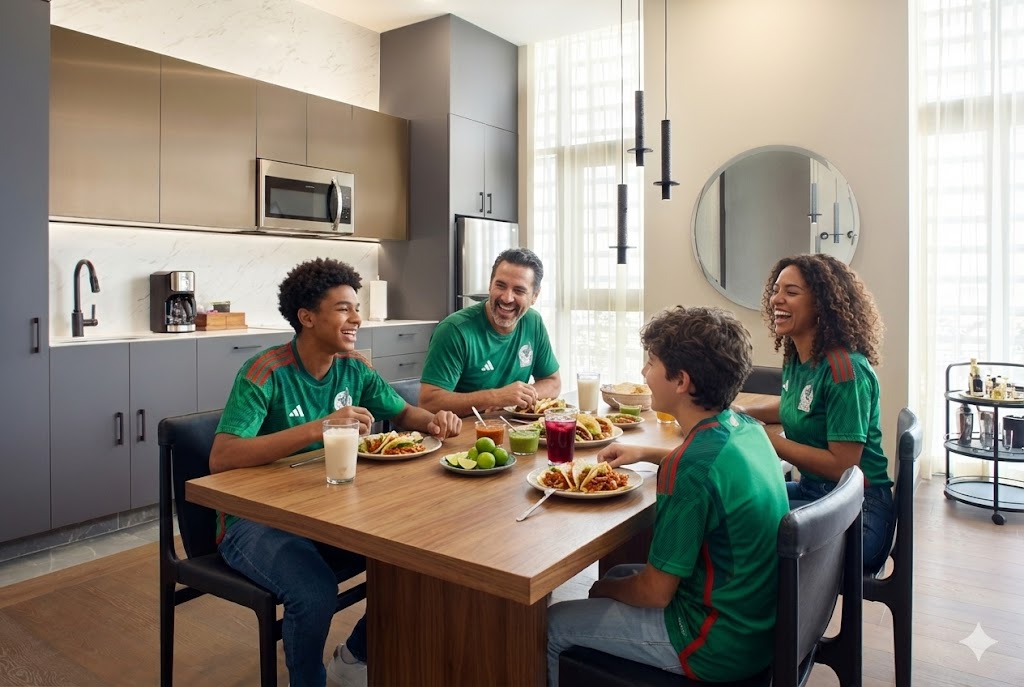
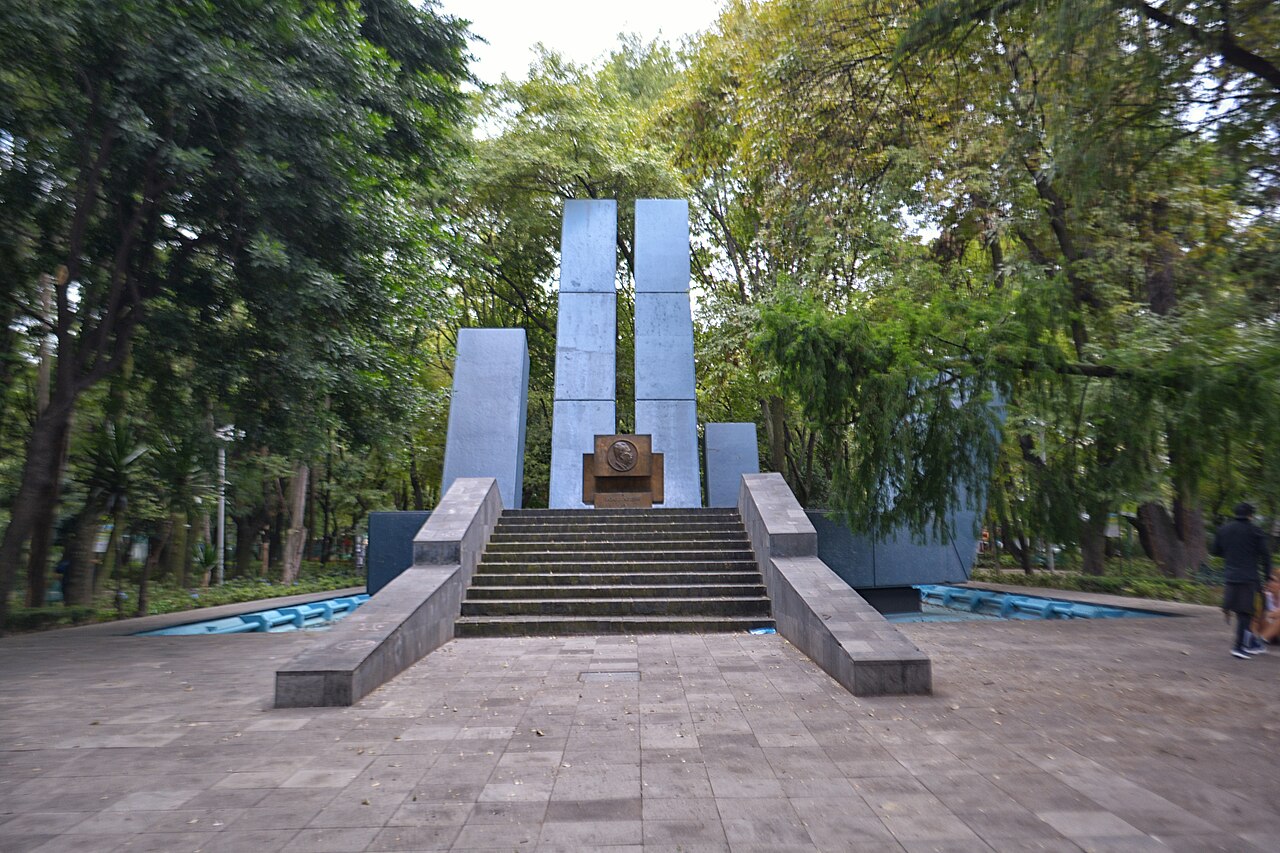
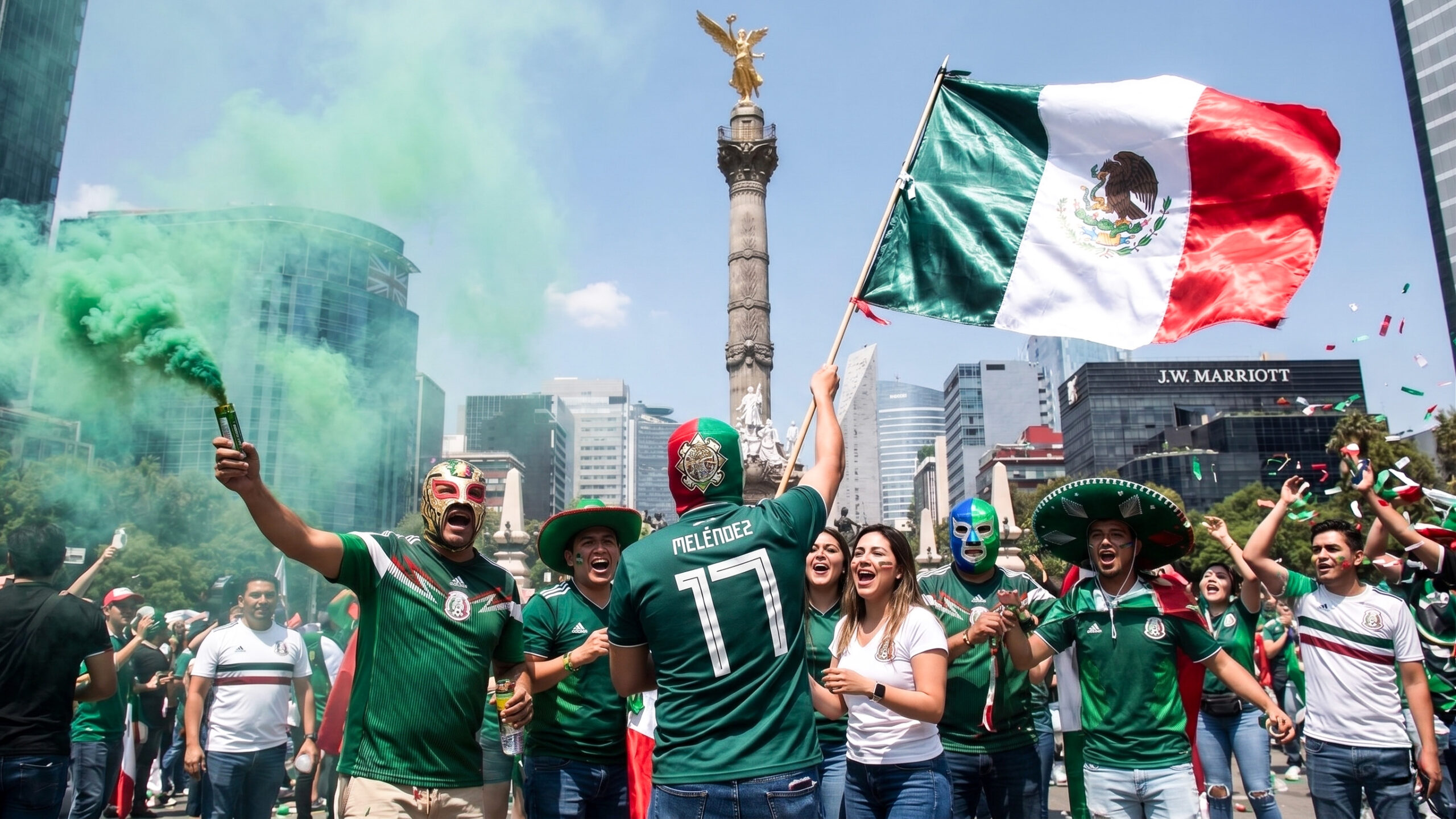
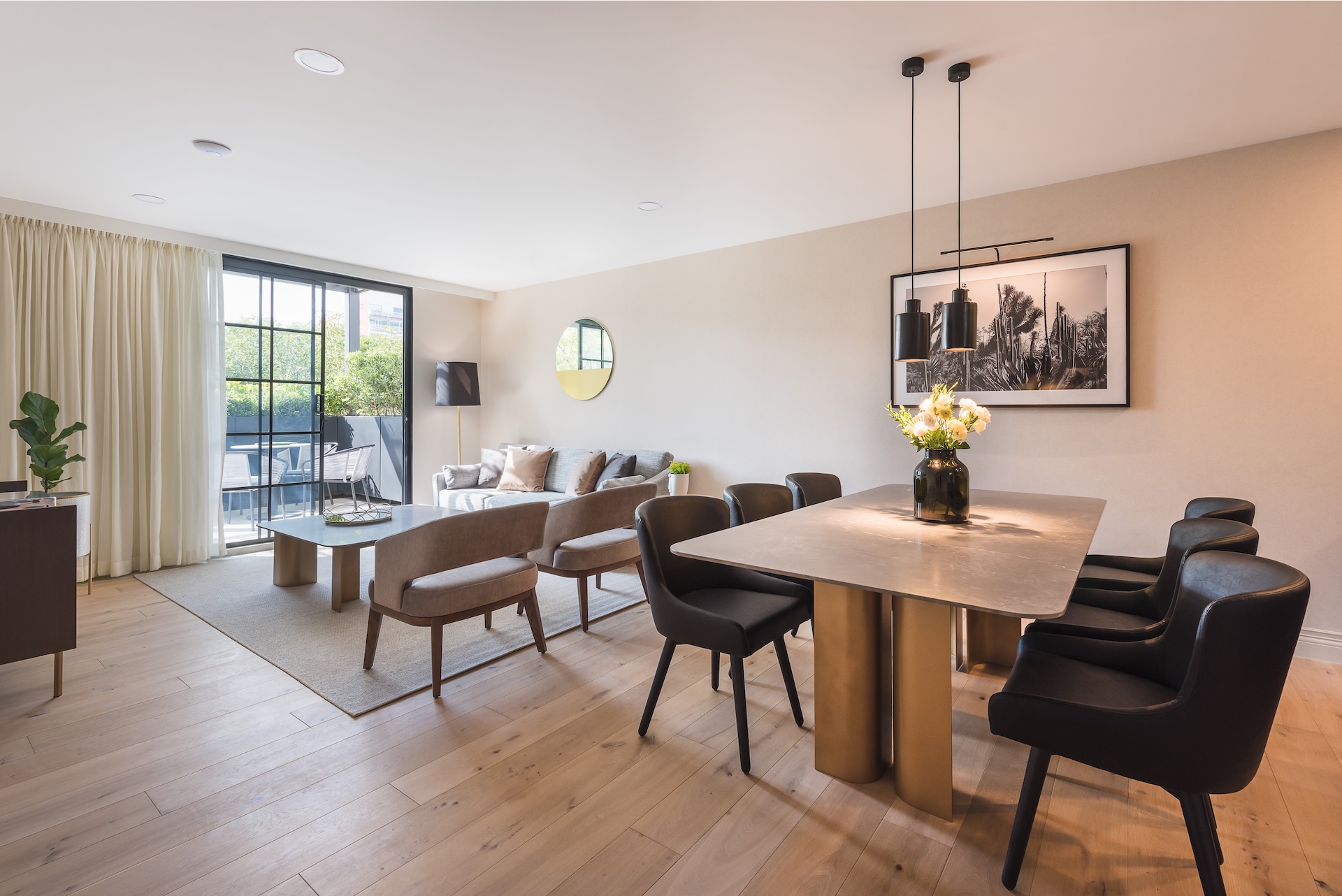

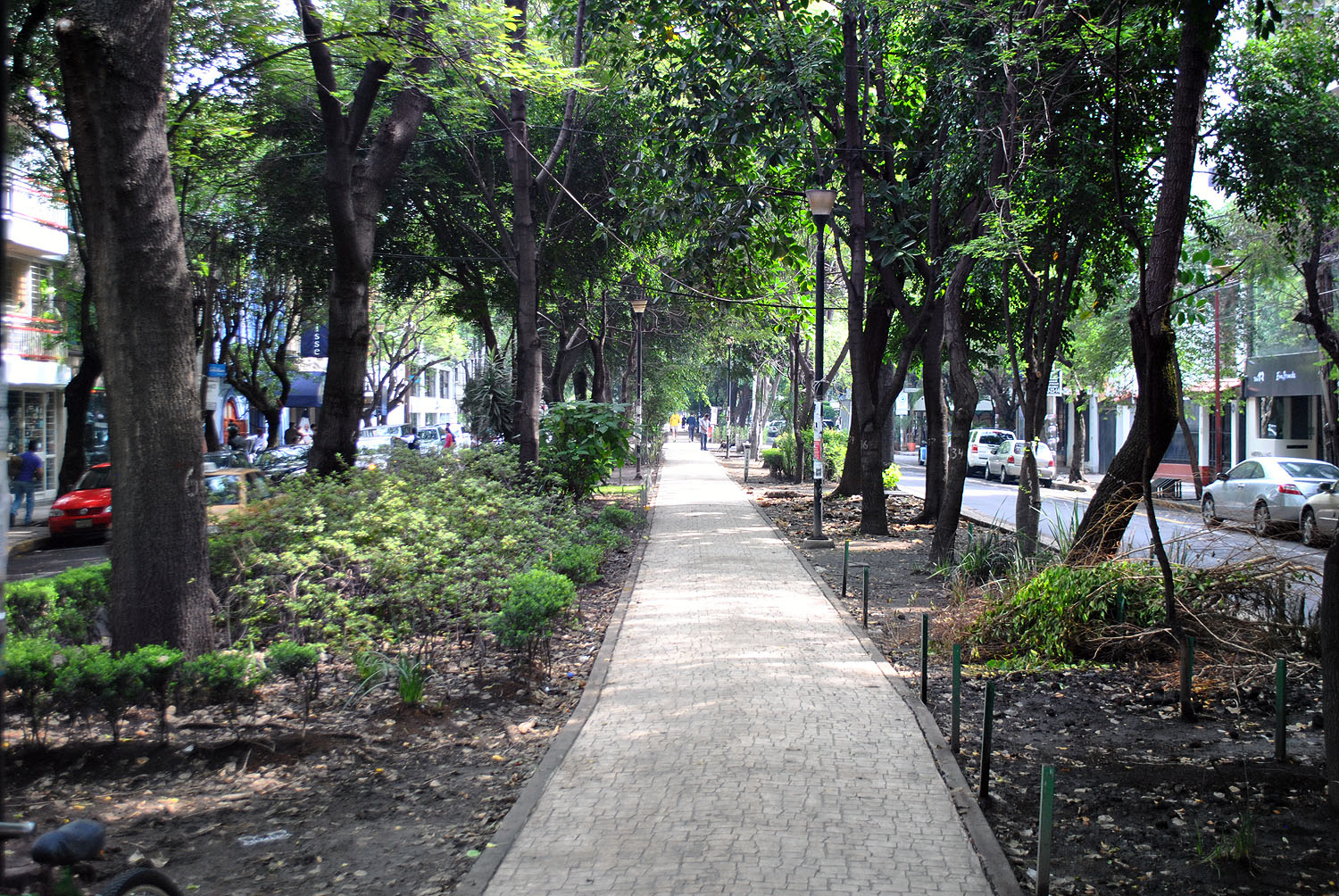
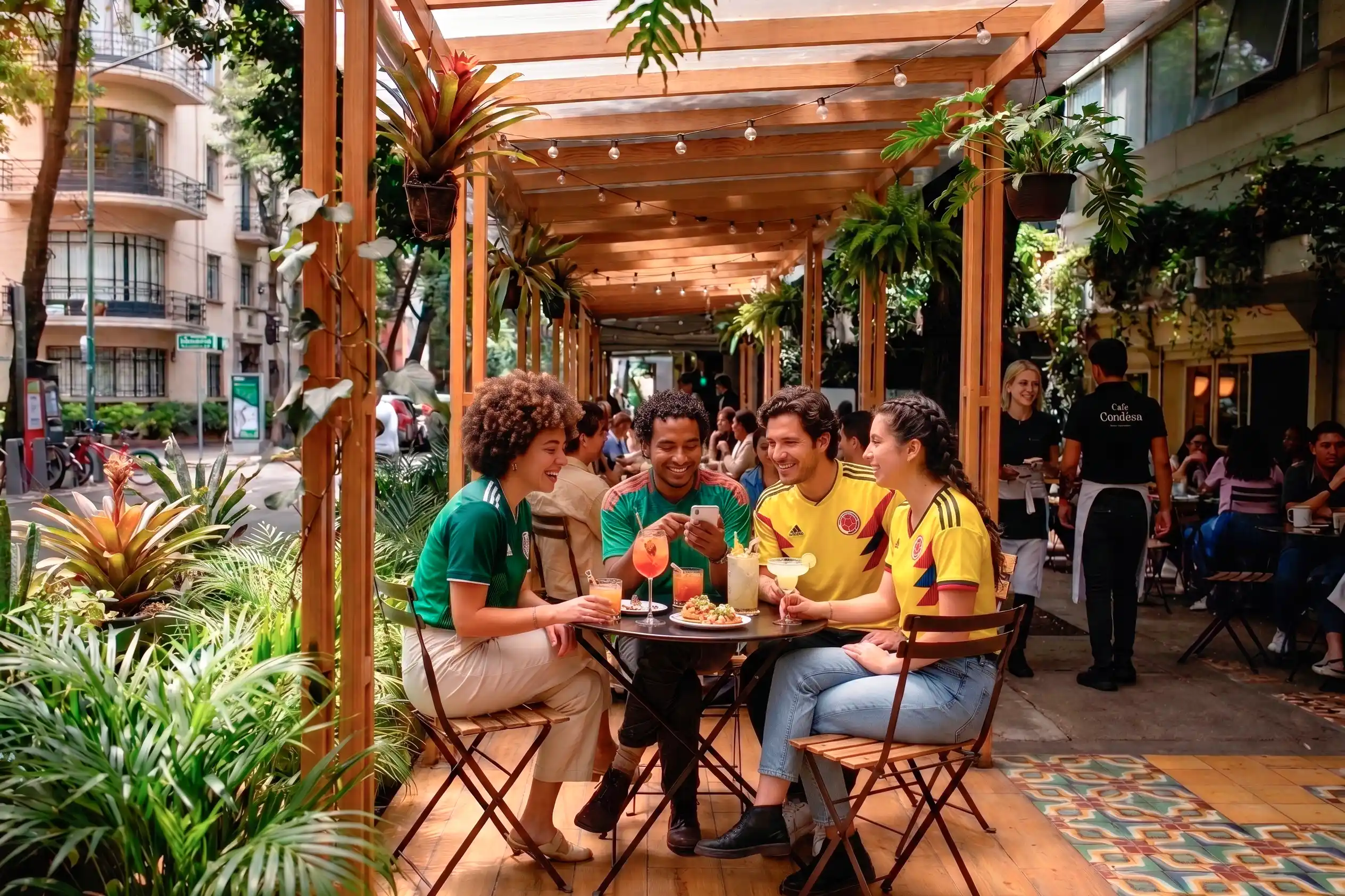
Roma and Condesa remain the sweet spot for travelers who want a more local, design-forward experience. Tree-lined streets, cafés that somehow turn into wine bars by nightfall, boutique shopping, galleries, and some of the city’s best restaurants all sit within walking distance of each other. During the World Cup, these neighborhoods will likely become gathering points for international visitors looking for a more elevated experience beyond match schedules.
Polanco offers a different rhythm. More polished, more cosmopolitan, and home to some of the city’s most ambitious dining and luxury shopping experiences, it works especially well for travelers mixing business with leisure or those planning a more structured stay.
What matters most during a global event like this is flexibility.
More space matters.
Having a living room matters.
A rooftop matters.
Being able to comfortably host friends before a match or decompress afterward matters even more than people realize when booking.
That’s part of why serviced boutique stays will likely become far more attractive than traditional hotel rooms during the tournament, especially for groups, families, longer stays, or travelers who want the city to feel livable instead of transactional.
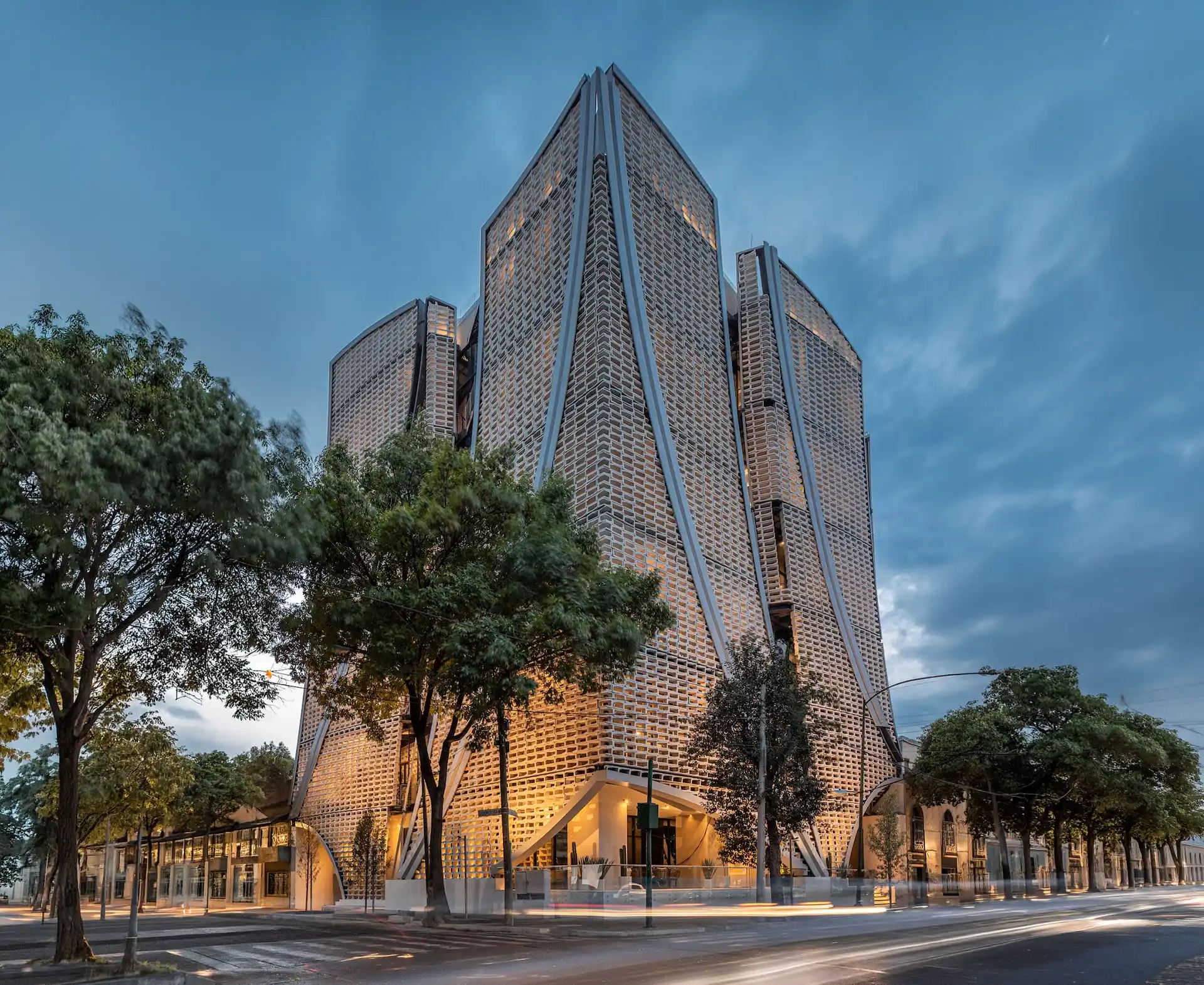
Properties like Viadora naturally fit into that style of travel. Not because they try to compete with large luxury hotels directly, but because they offer something increasingly valuable during high-volume global events: privacy, thoughtful design, walkable locations, and enough space to actually enjoy the city between matches.
Mexico City During the World Cup: What Travelers Should Actually Expect
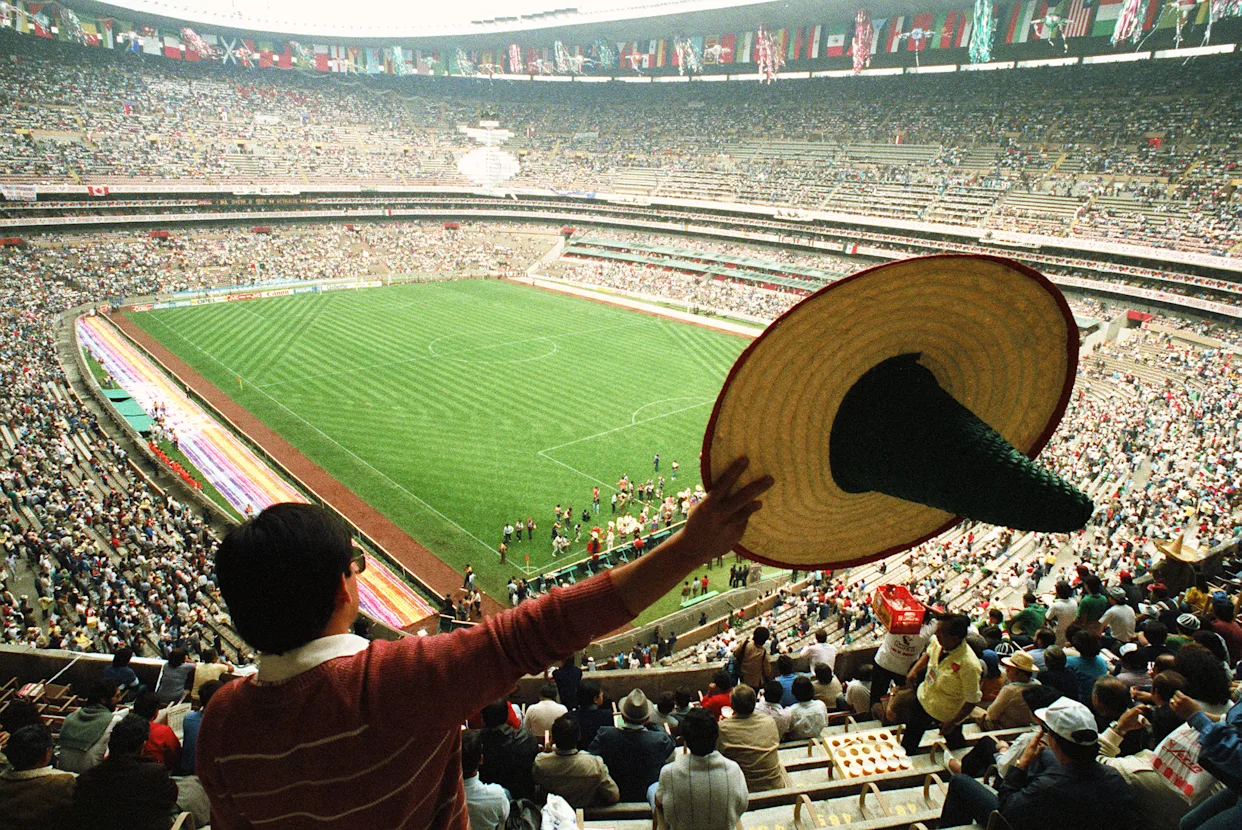

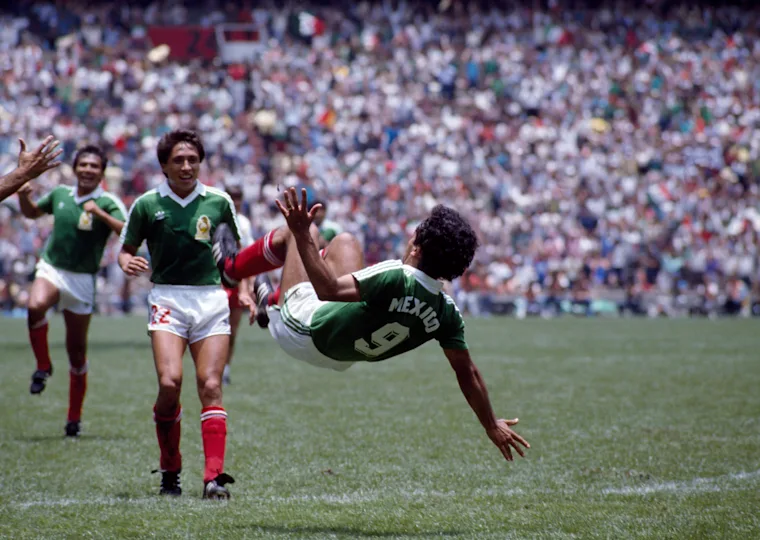

One of the best things about Mexico City is that it doesn’t suddenly become performative during international events. The city already knows how to host the world.
But visitors should still prepare for a different tempo.
Reservations will matter more than usual. Restaurants that normally accommodate walk-ins may suddenly require planning. Traffic patterns will shift depending on match schedules. Certain areas will become noticeably more crowded at specific times of day.
Oddly enough, that’s part of the fun.
The World Cup will likely amplify the city’s already vibrant social culture rather than replace it. You’ll still find people lingering over three-hour dinners. You’ll still see packed taquerías at midnight. You’ll still hear music spilling out onto sidewalks in Roma Norte while locals walk dogs like nothing globally historic is happening a few miles away.
The key is balancing immersion with recovery.
Mexico City is best experienced with rhythm, not urgency. Trying to optimize every match, every reservation, every neighborhood in one trip is the fastest way to miss what makes the city special in the first place.
Some of the best moments during the World Cup probably won’t happen inside a stadium.
They’ll happen during an unexpectedly great breakfast after a late match.
During a long sobremesa with strangers who become temporary friends.
During an Uber ride through Reforma at sunset while the city buzzes around you.
That’s also why accommodation becomes such an important part of the experience. Travelers tend to underestimate how valuable it feels to return somewhere quiet, spacious, and intentionally designed after spending the day navigating massive crowds and nonstop activity.
Especially in a city as layered as this one.
Mexico City During the World Cup: What Travelers Should Actually Expect
Global sporting events tend to expose the limitations of traditional hotels very quickly.
Rooms get smaller. Prices get bigger. Lobbies become chaotic. Everything starts feeling optimized for turnover rather than experience.
And while that may work for quick business trips, the World Cup is a different kind of travel moment entirely.
People travel slower. They stay longer. They gather in groups. They want spaces that feel social without feeling crowded.
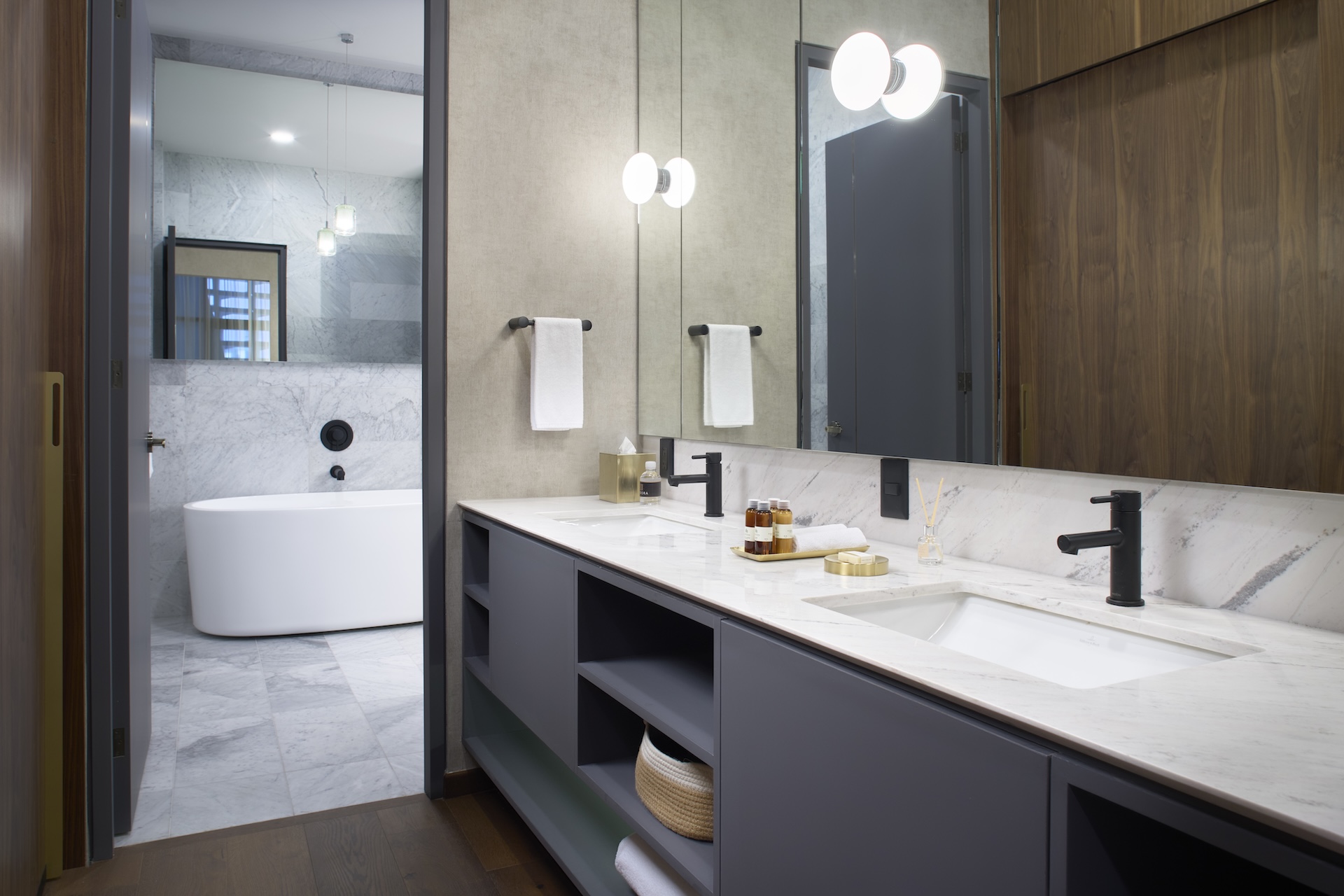
That’s where the boutique serviced-apartment model becomes particularly compelling in Mexico City. Having multiple bedrooms, a kitchen, shared spaces, private terraces, rooftop amenities, and walkable access to neighborhoods like Roma and Condesa creates a fundamentally different type of stay.
More personal. More flexible. More connected to the actual city.




Because while matches will dominate headlines, the real experience happens between them: long lunches in Roma, mezcal-fueled conversations in Condesa, spontaneous dinners in Polanco, morning coffee walks after late-night celebrations, and the luxury of staying somewhere that still feels calm once the city’s adrenaline kicks into high gear.
That’s where choosing where to stay becomes less about proximity to the stadium and more about how you actually want to experience the city.
Meet the Author — Leopoldo Riquelme
A passionate storyteller inspired by Mexico City’s culture, neighborhoods, food scene, and evolving creative community.