

Mexico City 2026: Where Formula 1 Meets Día de Muertos
Two extraordinary celebrations. One city that knows how to make every moment count.
There are few places in the world where the intensity of Formula 1 and the intimacy of a centuries-old tradition can exist so naturally within the same weekend.
Mexico City is one of them.
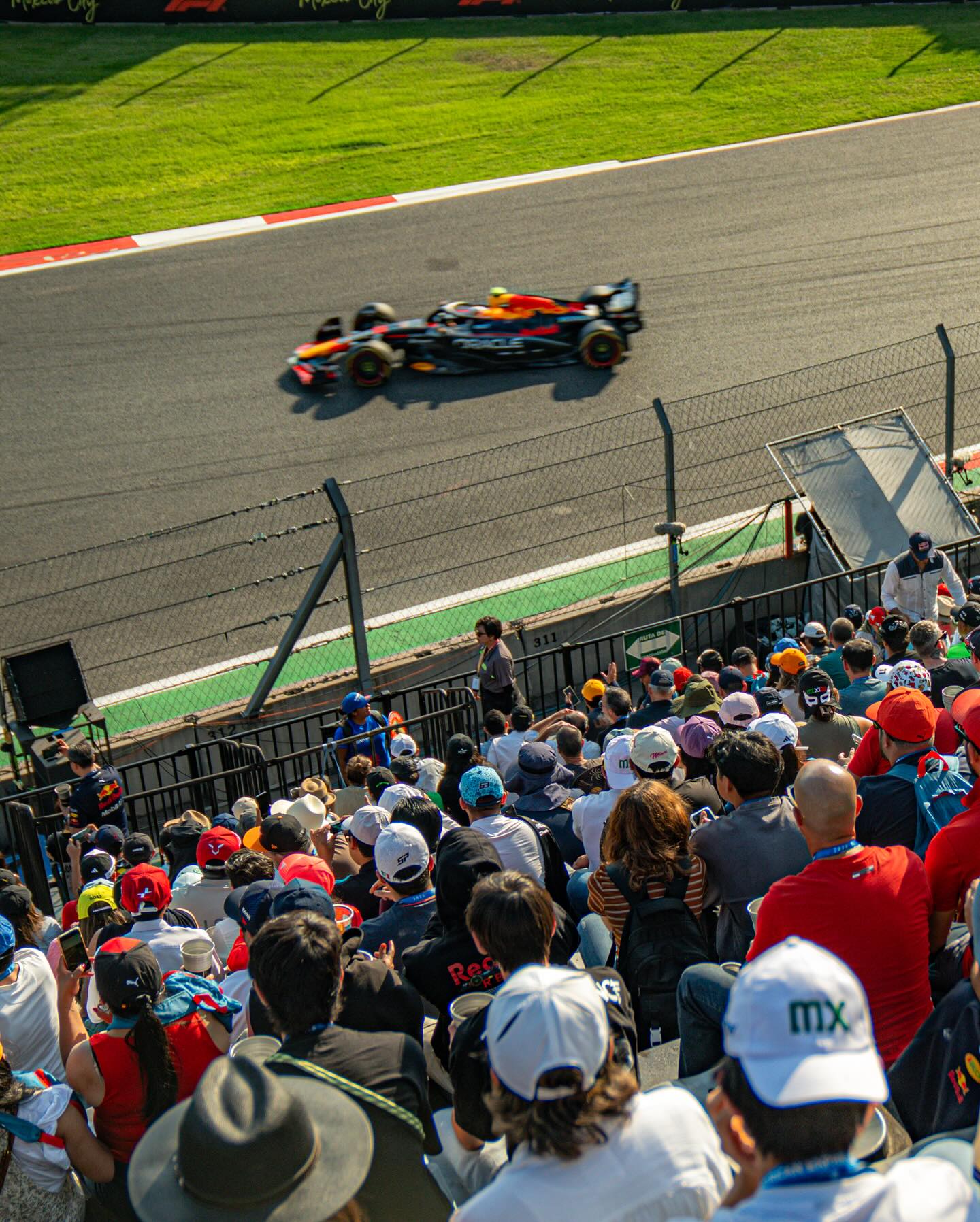
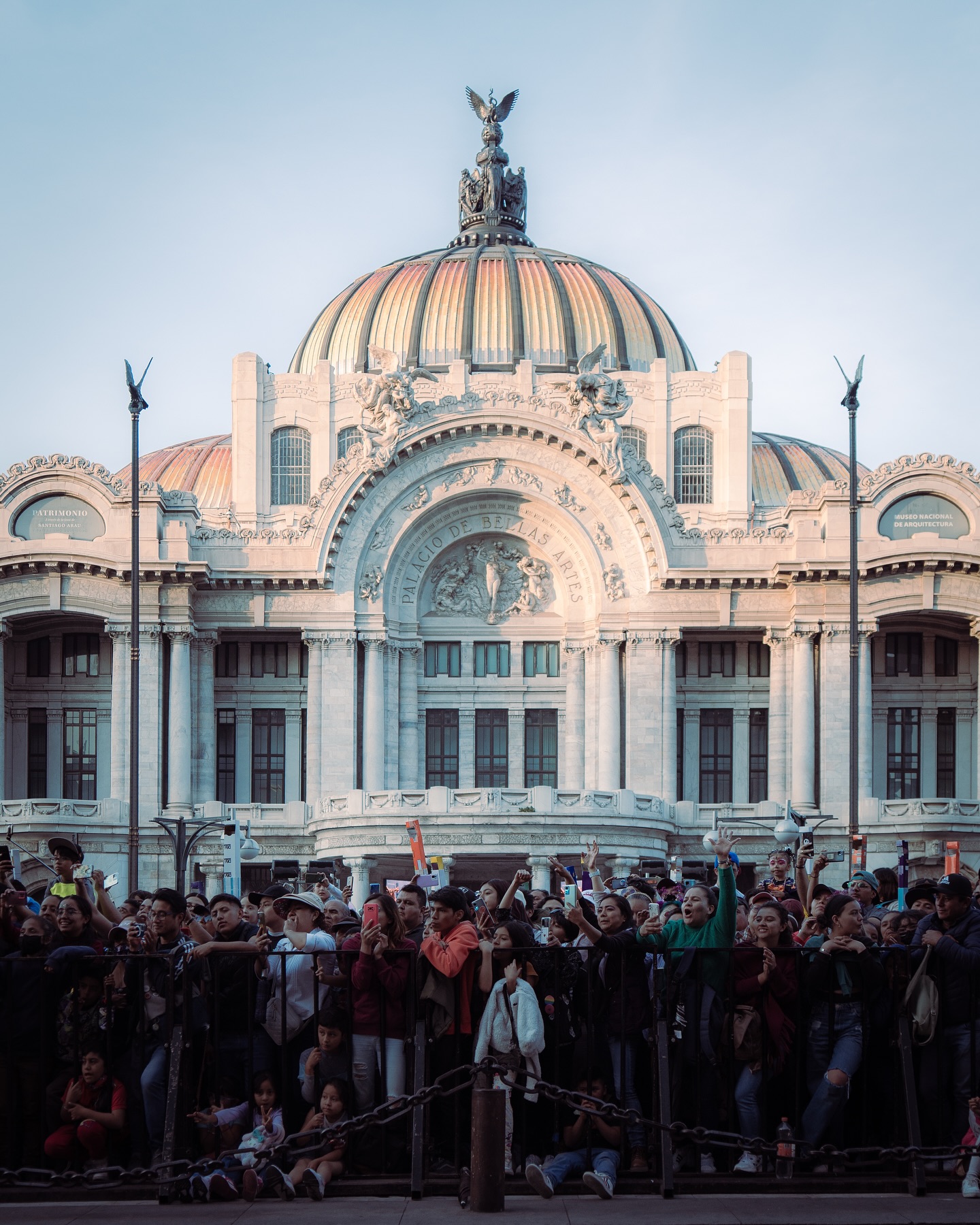
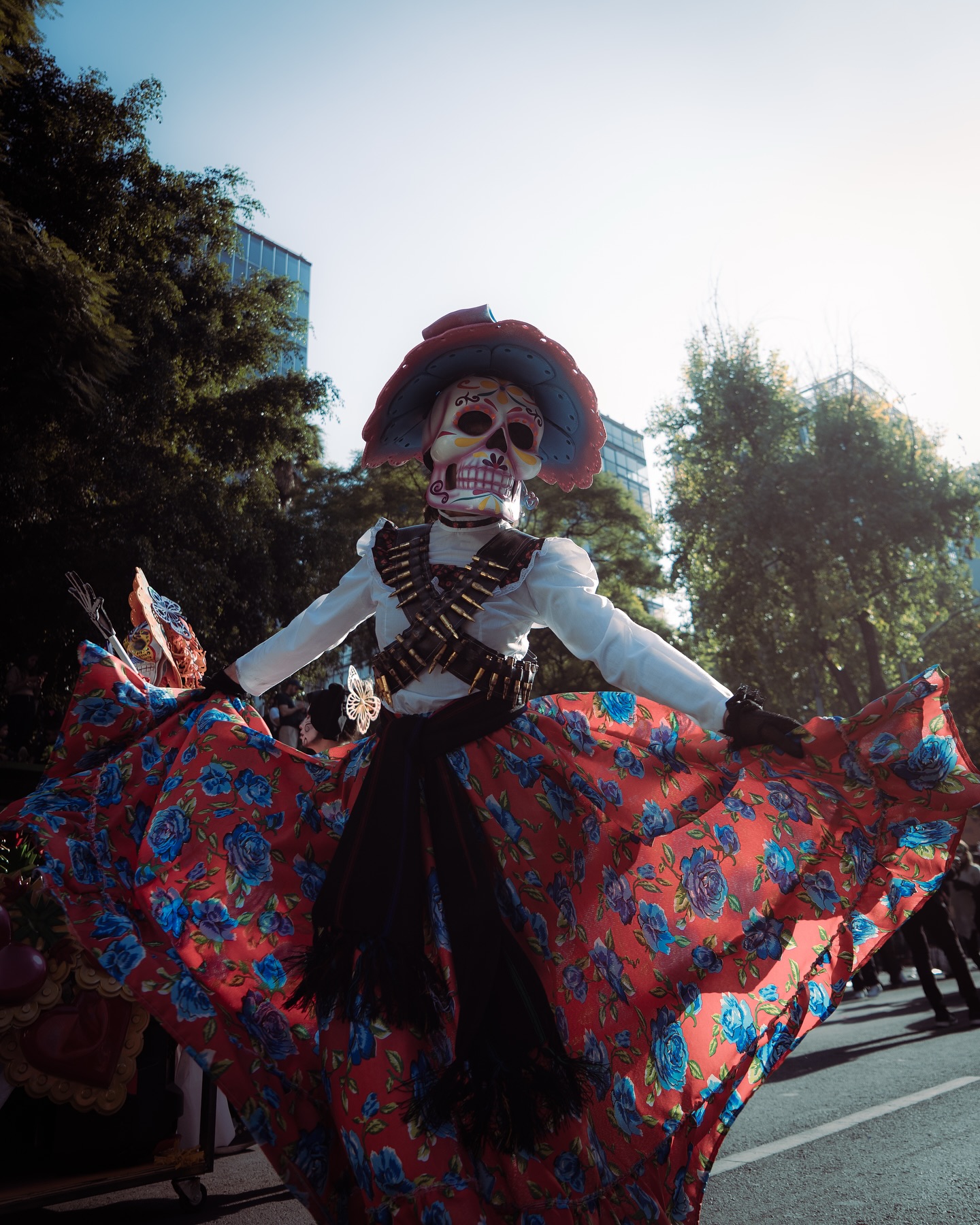
From October 30 to November 2, 2026, the city moves to two very different rhythms. At the Autódromo Hermanos Rodríguez, engines roar and thousands gather for the Formula 1 Mexico City Grand Prix. Across town, marigolds begin to cover the streets, candlelit ofrendas appear in public squares, and the familiar figures of La Catrina transform the city into a celebration of life, memory, and everything in between.
On paper, these are two entirely different events.
And while the race and the Día de Muertos parade will dominate the weekend’s itinerary, the experience extends well beyond the grandstands and celebrations. It happens over long lunches in Roma Norte, unhurried walks through Condesa, late dinners that turn into even later conversations, and those unexpected moments when the city reveals something you hadn’t planned to discover.
The challenge isn’t finding things to do in Mexico City.
It’s knowing which moments deserve your time.
Formula 1 Mexico City Grand Prix 2026: The City at Full Speed
Few sporting events capture Mexico City’s personality quite like the Mexican Grand Prix.
The energy is unmistakable. The anticipation builds long before the first car reaches the track, and by race weekend, the entire city seems to move with a slightly different pulse.
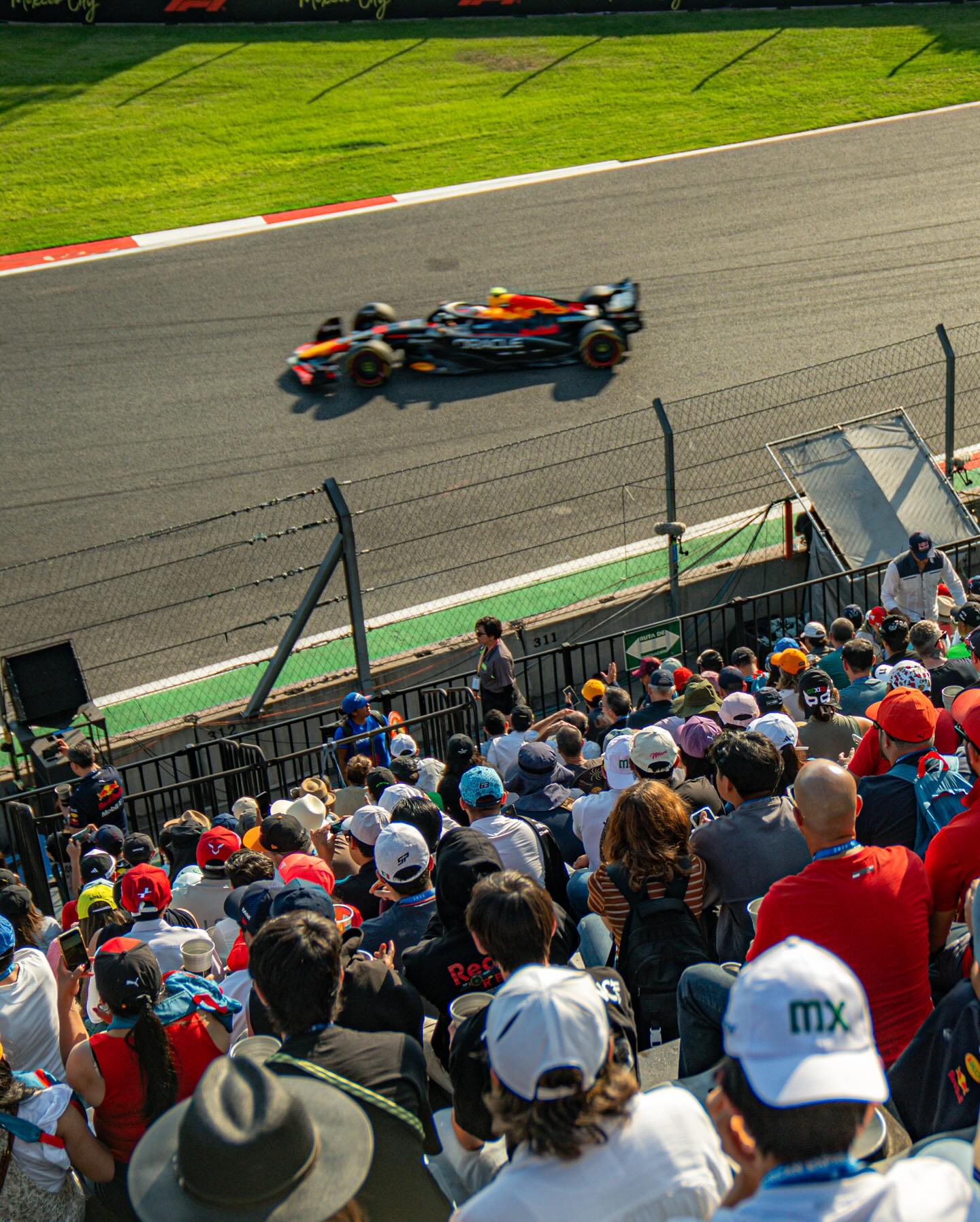
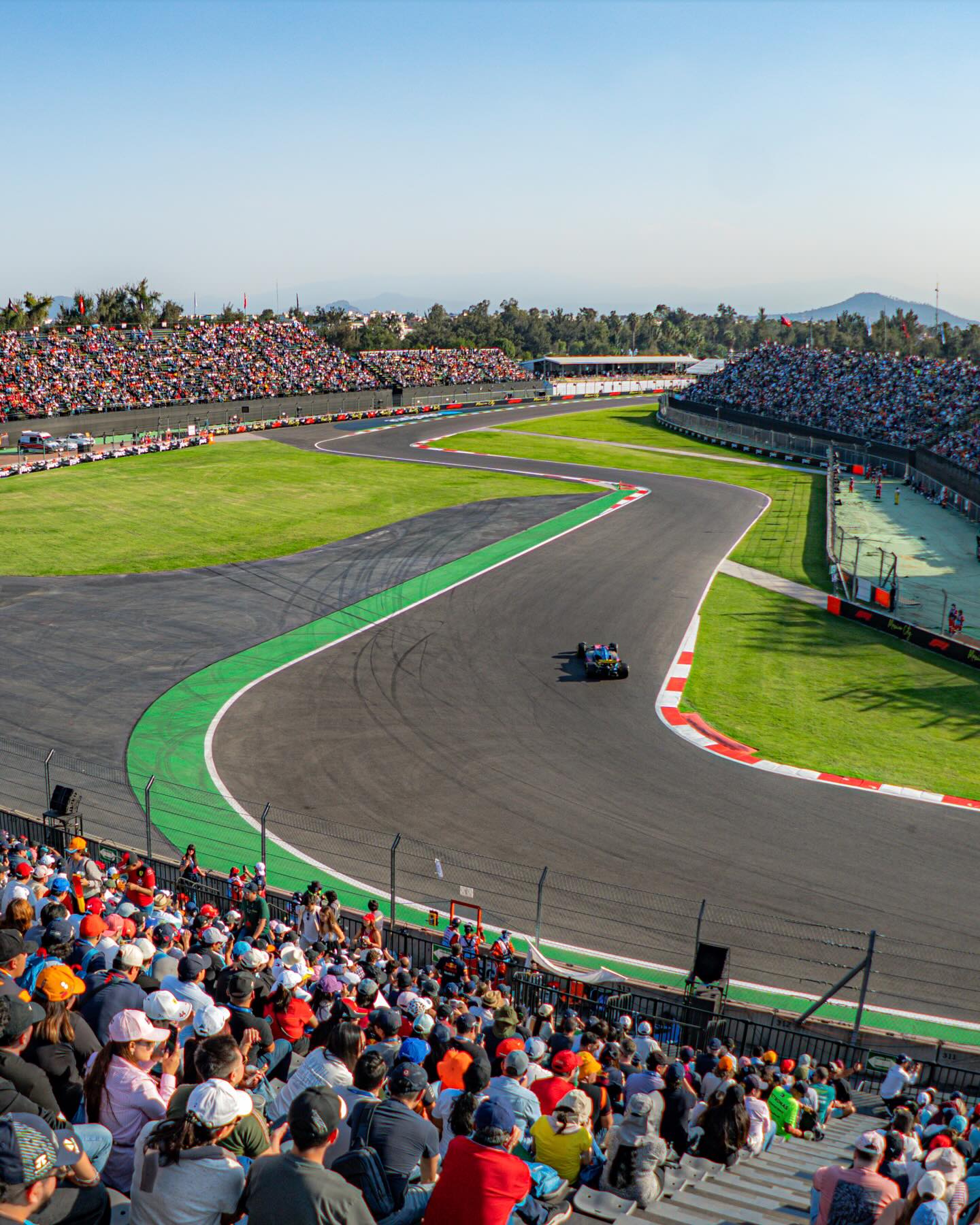
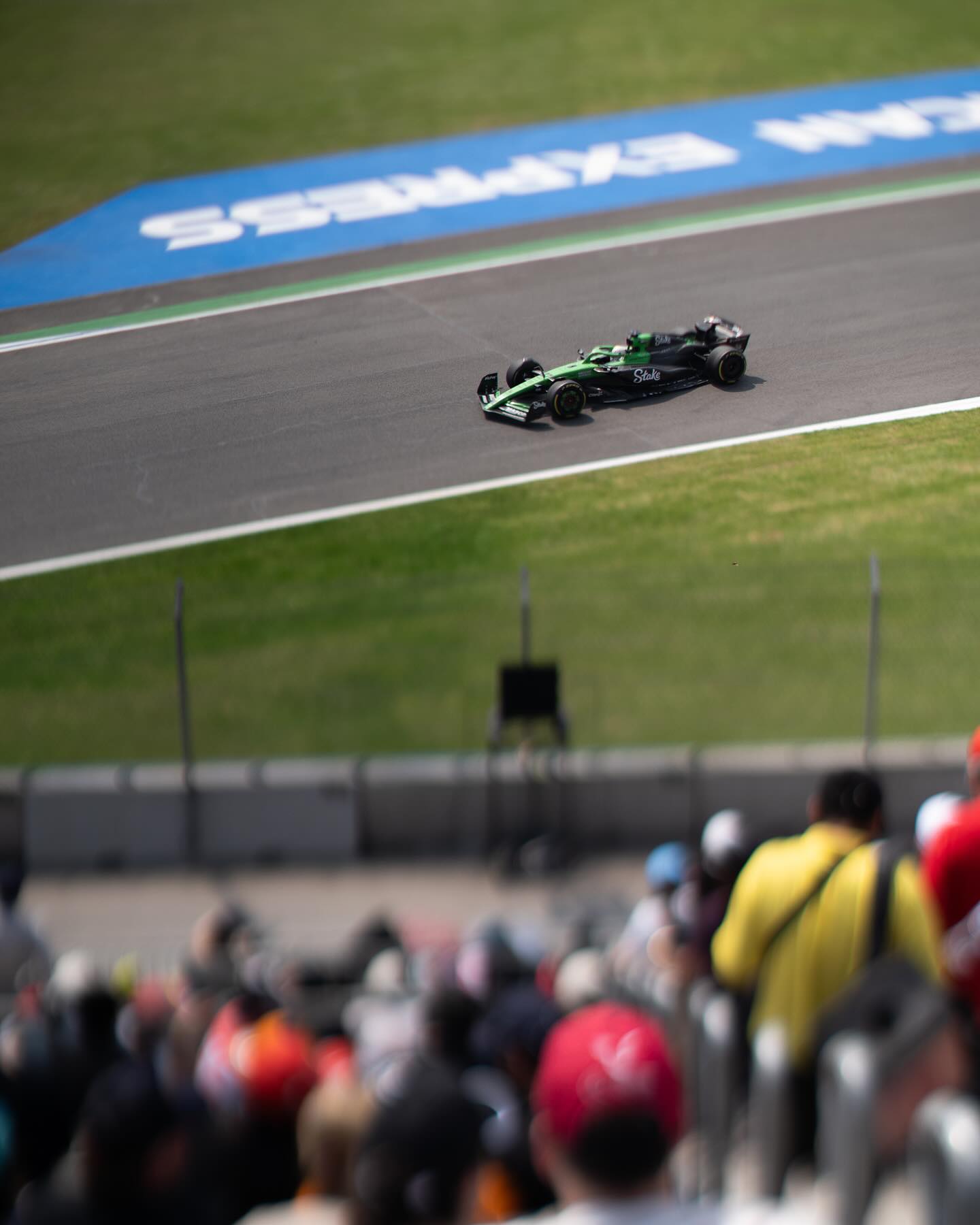
From October 30 to November 1, the Formula 1 Mexico City Grand Prix 2026 returns to the Autódromo Hermanos Rodríguez, bringing three days of racing to one of the championship’s most atmospheric circuits.
The weekend begins with practice sessions on Friday, followed by qualifying on Saturday and the main event on Sunday.
Formula 1 Mexico City 2026: Official Schedule
All times are local to Mexico City.
Date
Friday, October 30
Friday, October 30
Saturday, October 31
Saturday, October 31
Sunday, November 1
Sunday, November 1
Event
Free Practice 1
Free Practice 2
Free Practice 3
Qualifying
Drivers’ Parade
Mexico City Grand Prix
Time
12:30 PM
4:00 PM
11:30 AM
3:00 PM
12:00 PM
2:00 PM
The race itself takes place over 71 laps of the 4.304-kilometer circuit. But anyone familiar with Mexico City knows that getting to a major event is only half the equation.
Traffic will be unpredictable. Transportation will require planning. And reservations, whether for a restaurant or a late dinner after the race, will become increasingly valuable.
The smarter approach is to plan around the moments that matter most and leave enough room for the city to surprise you. Because a weekend in Mexico City should never feel like a race against your own itinerary.
Día de Muertos 2026: When Mexico City Celebrates Memory
Few sporting events capture Mexico City’s personality quite like the Mexican Grand Prix.
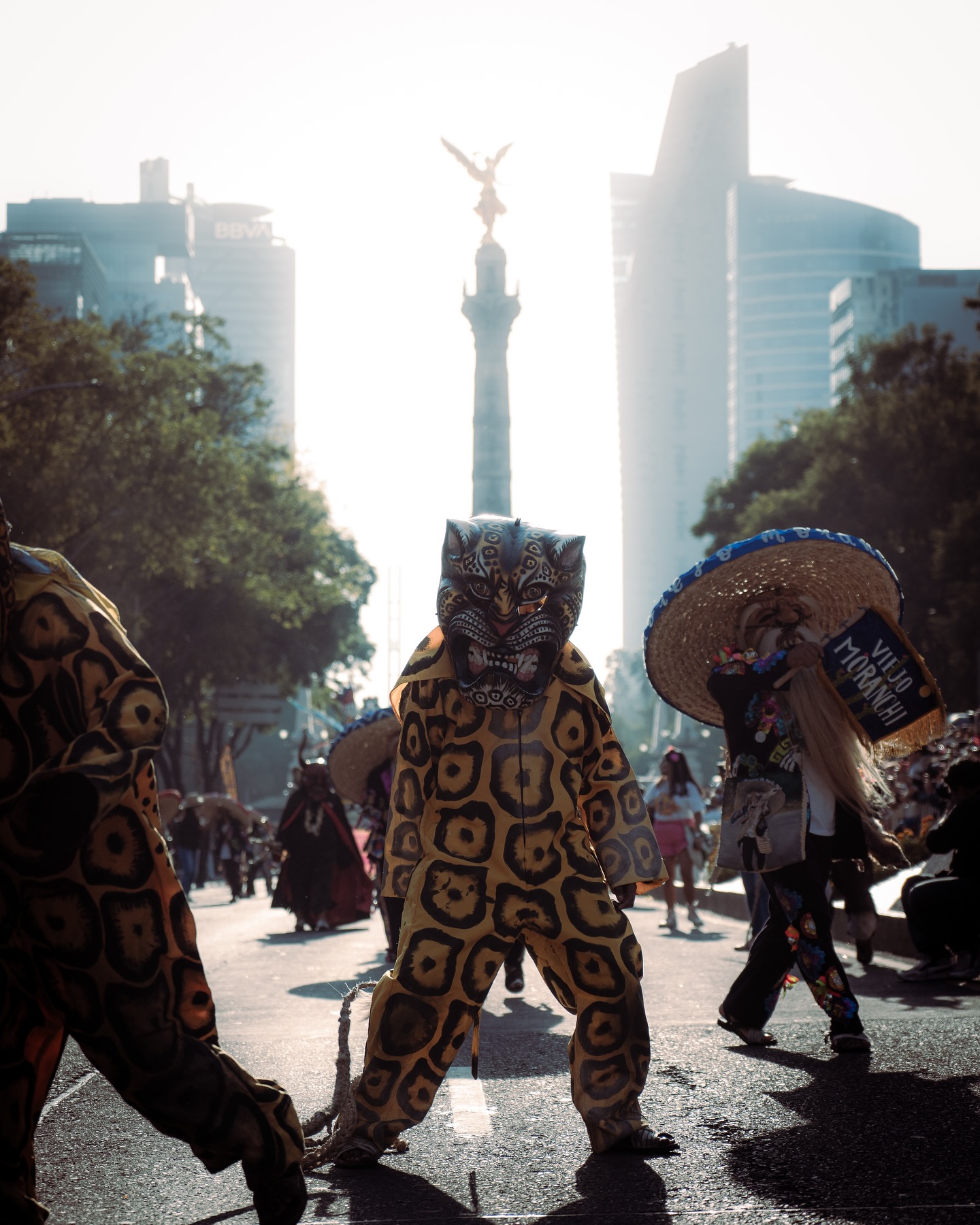
While Formula 1 brings speed and spectacle, Día de Muertos offers something entirely different.
A reason to slow down.
For visitors wondering qué es Día de Muertos, the answer goes far beyond its colorful imagery. Celebrated primarily on November 1 and 2, Day of the Dead is a Mexican tradition dedicated to remembering loved ones who have passed away.
It is not simply a celebration of death, nor is it the Mexican equivalent of Halloween.
It is a deeply personal expression of remembrance, rooted in family, ritual, and the belief that those we love remain present through the stories and memories we preserve.
And in Mexico City, that sentiment becomes visible everywhere.
The Meaning Behind the Ofrenda de Día de Muertos
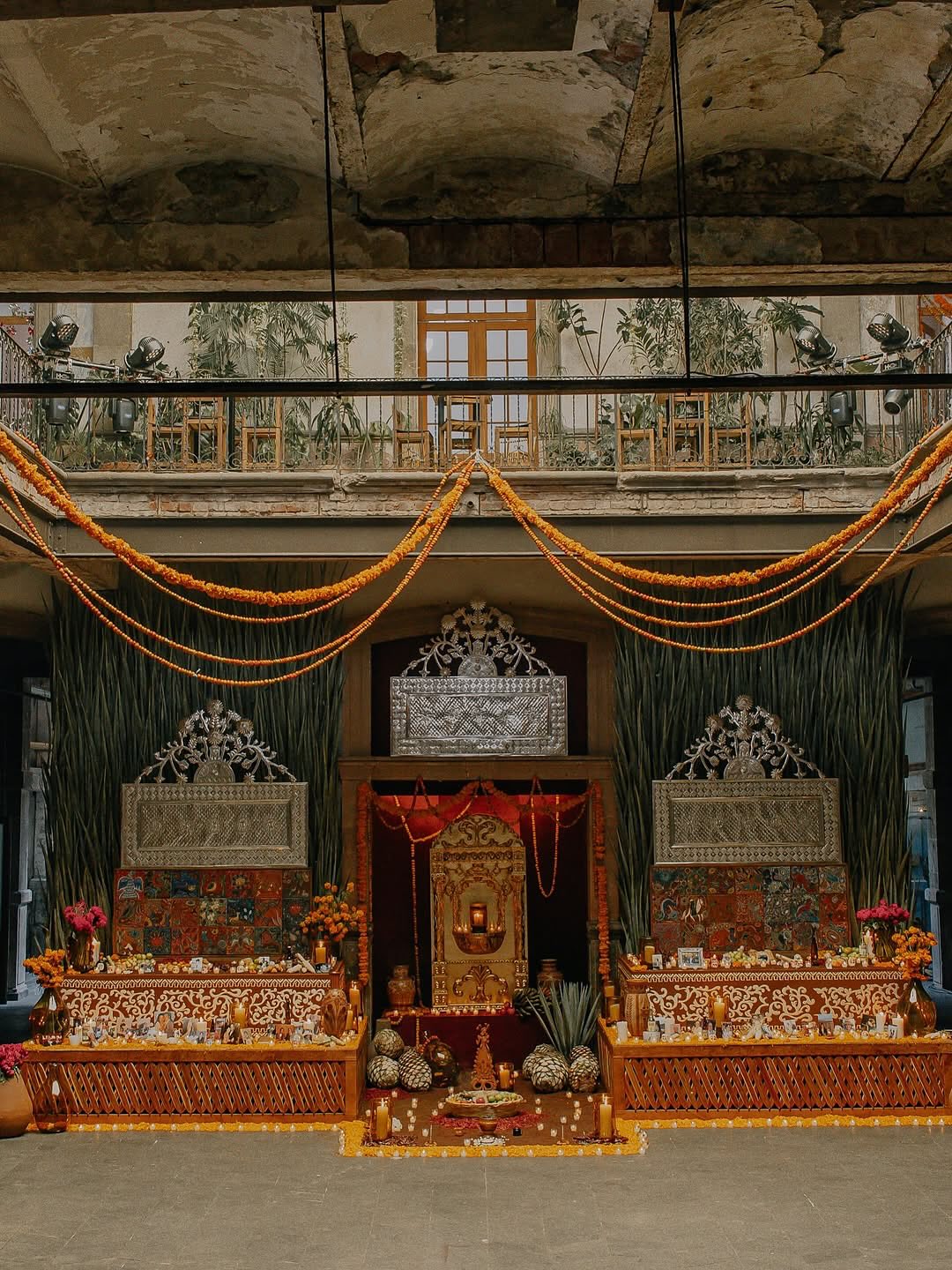
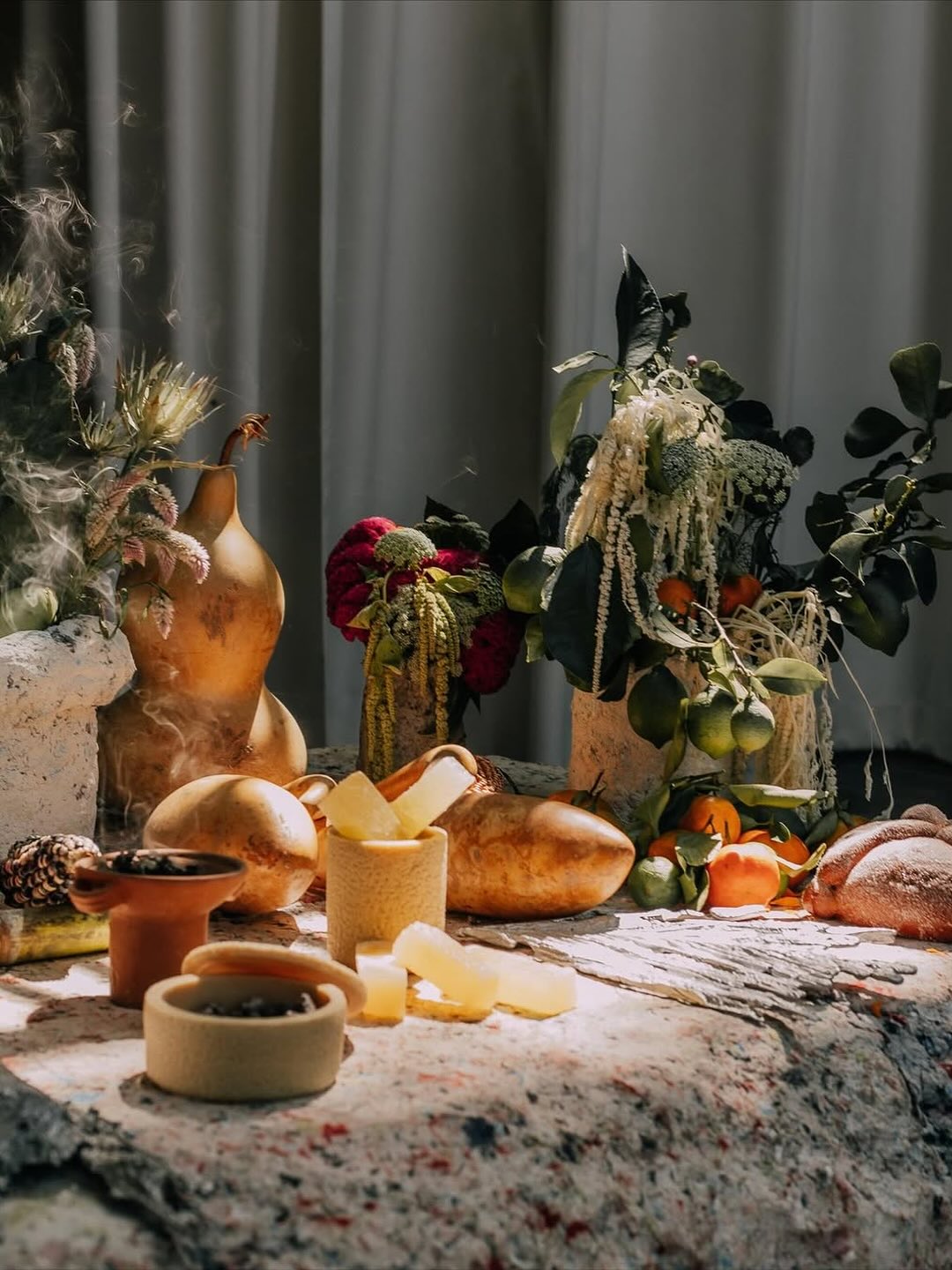
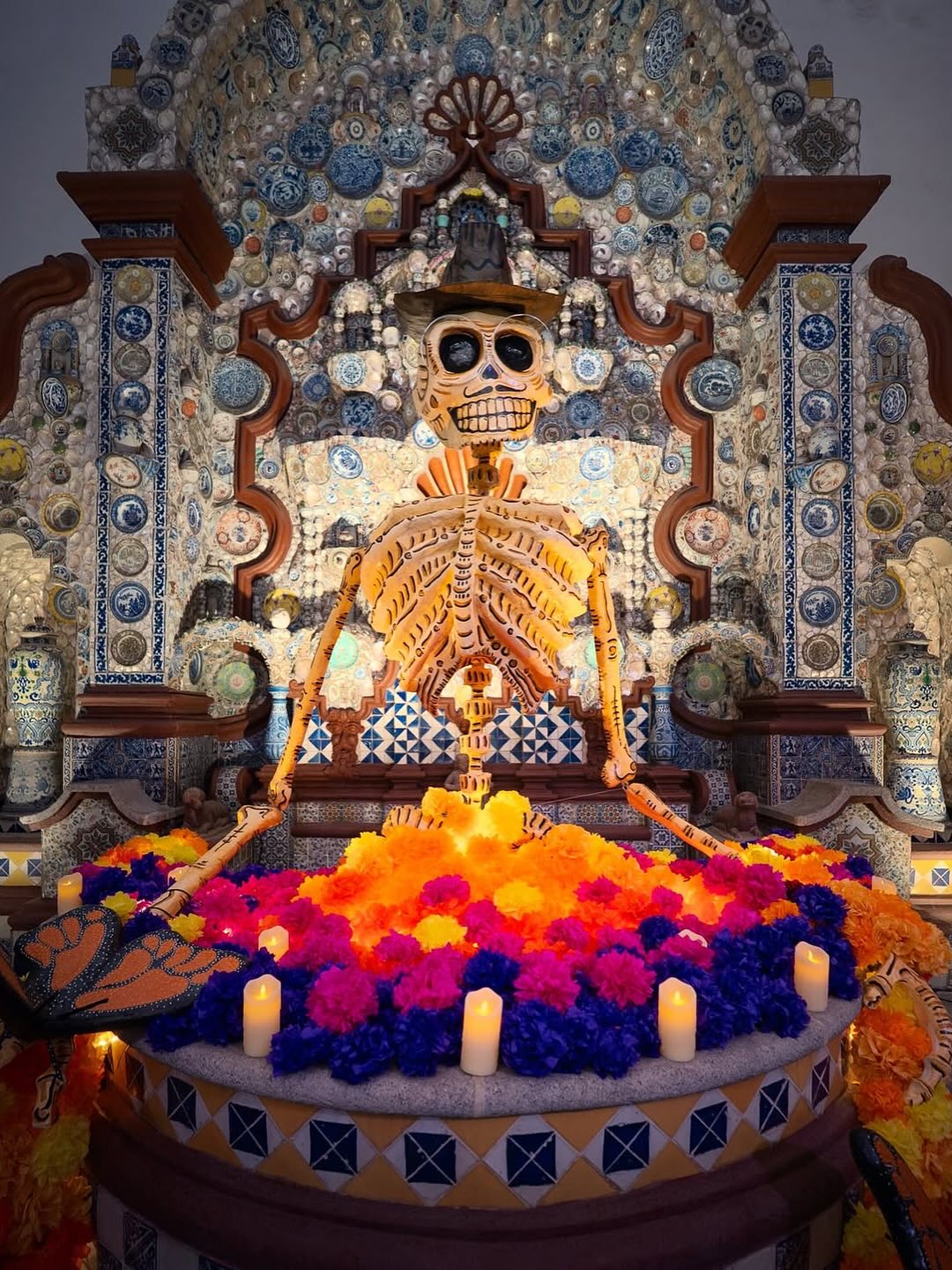
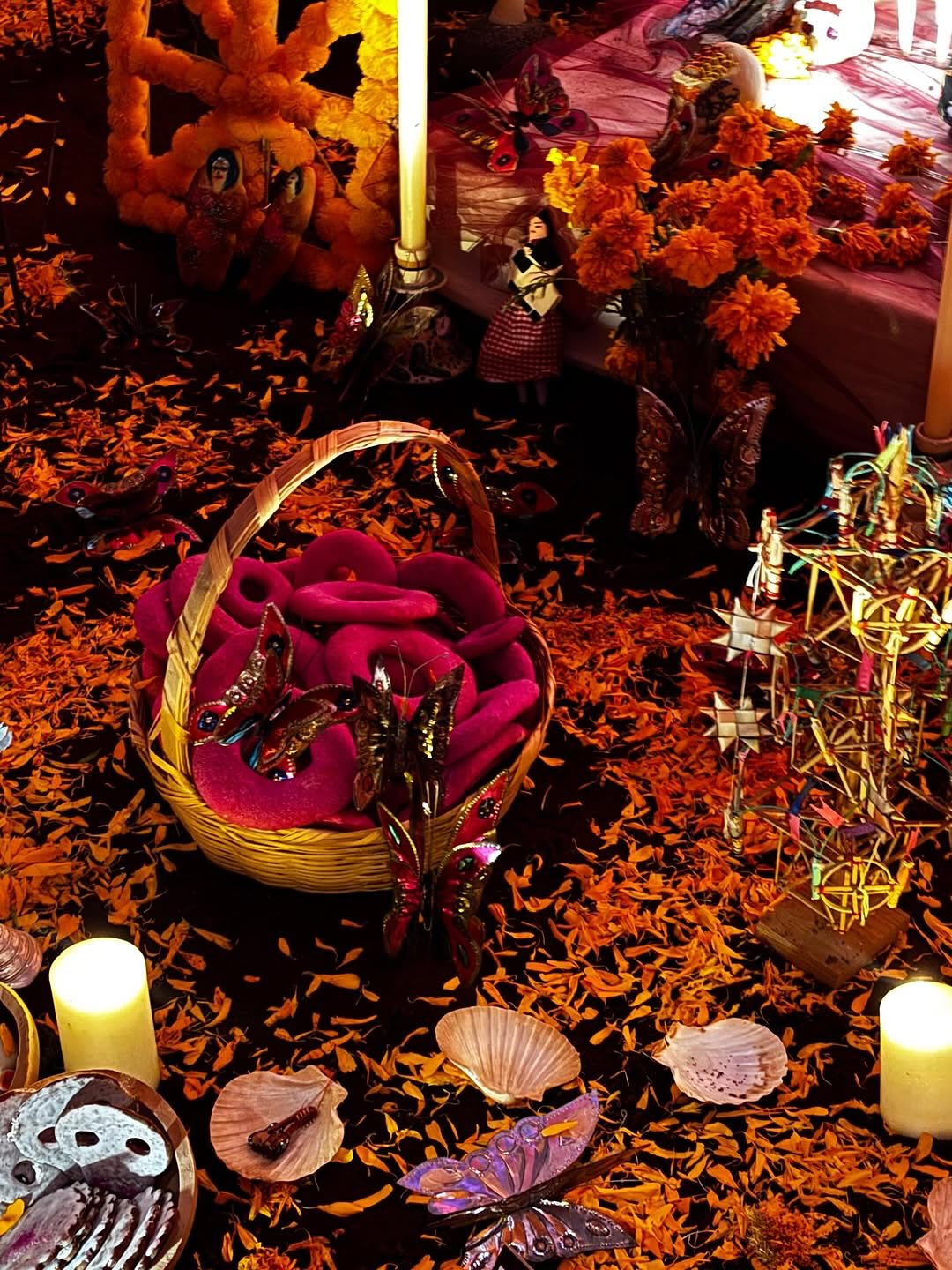
An altar de Día de Muertos, or ofrenda, is more than a decorative arrangement.
Photographs sit beside candles. Favorite foods are placed with intention. Colorful papel picado moves gently above tables filled with personal objects, while the unmistakable orange of the cempasúchil flower creates a symbolic path of remembrance.
Each element carries meaning.
The flores de Día de Muertos, particularly cempasúchil, are traditionally associated with guiding the spirits of loved ones. Sugar skulls, or calaveras, reflect the celebration’s distinctive relationship with mortality, while La Catrina has become one of its most recognizable cultural figures.
What visitors often encounter first as extraordinary visual beauty gradually reveals something much more meaningful.
A celebration that understands remembrance doesn’t have to be silent.
Desfile Día de Muertos 2026: What to Expect in Mexico City
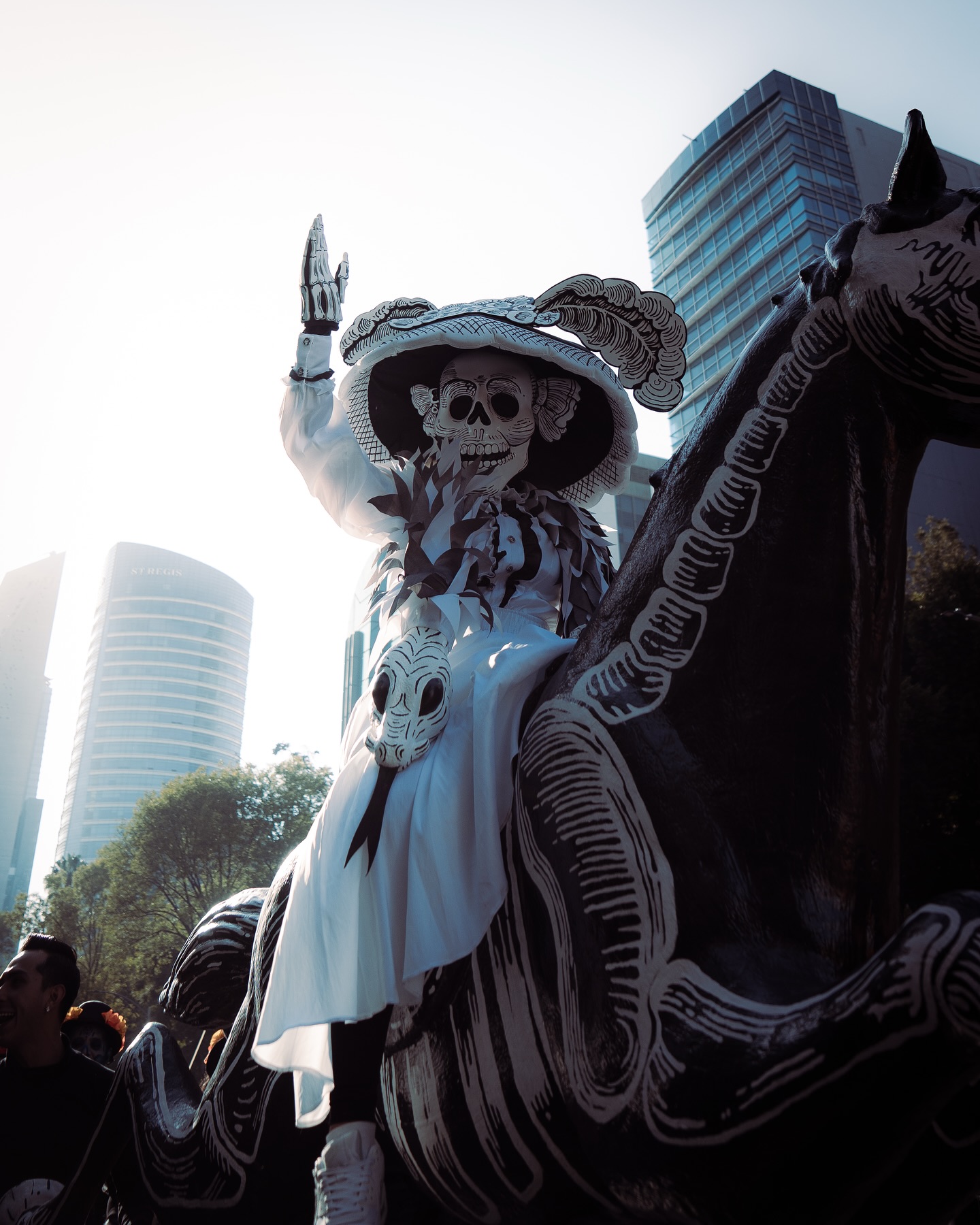
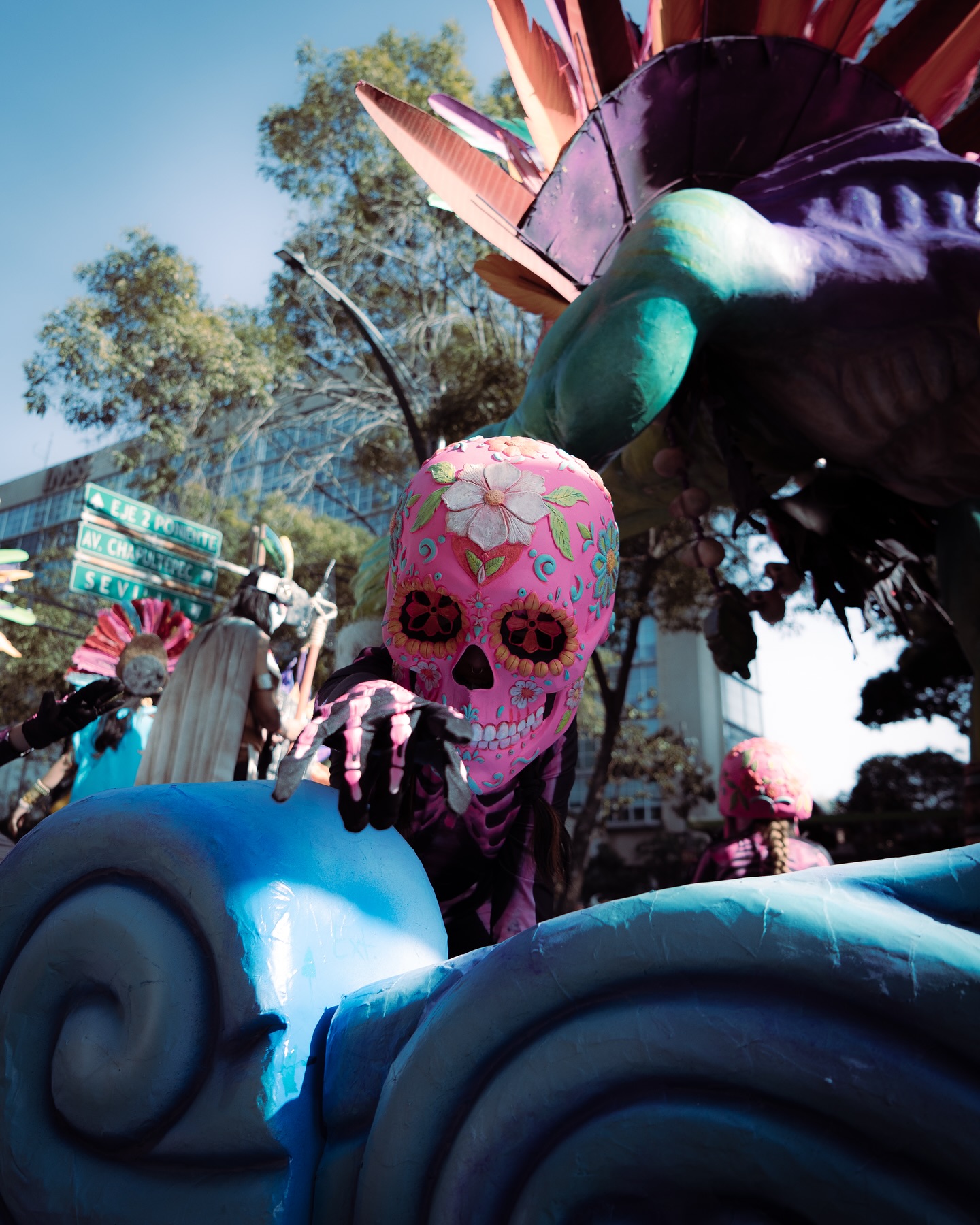
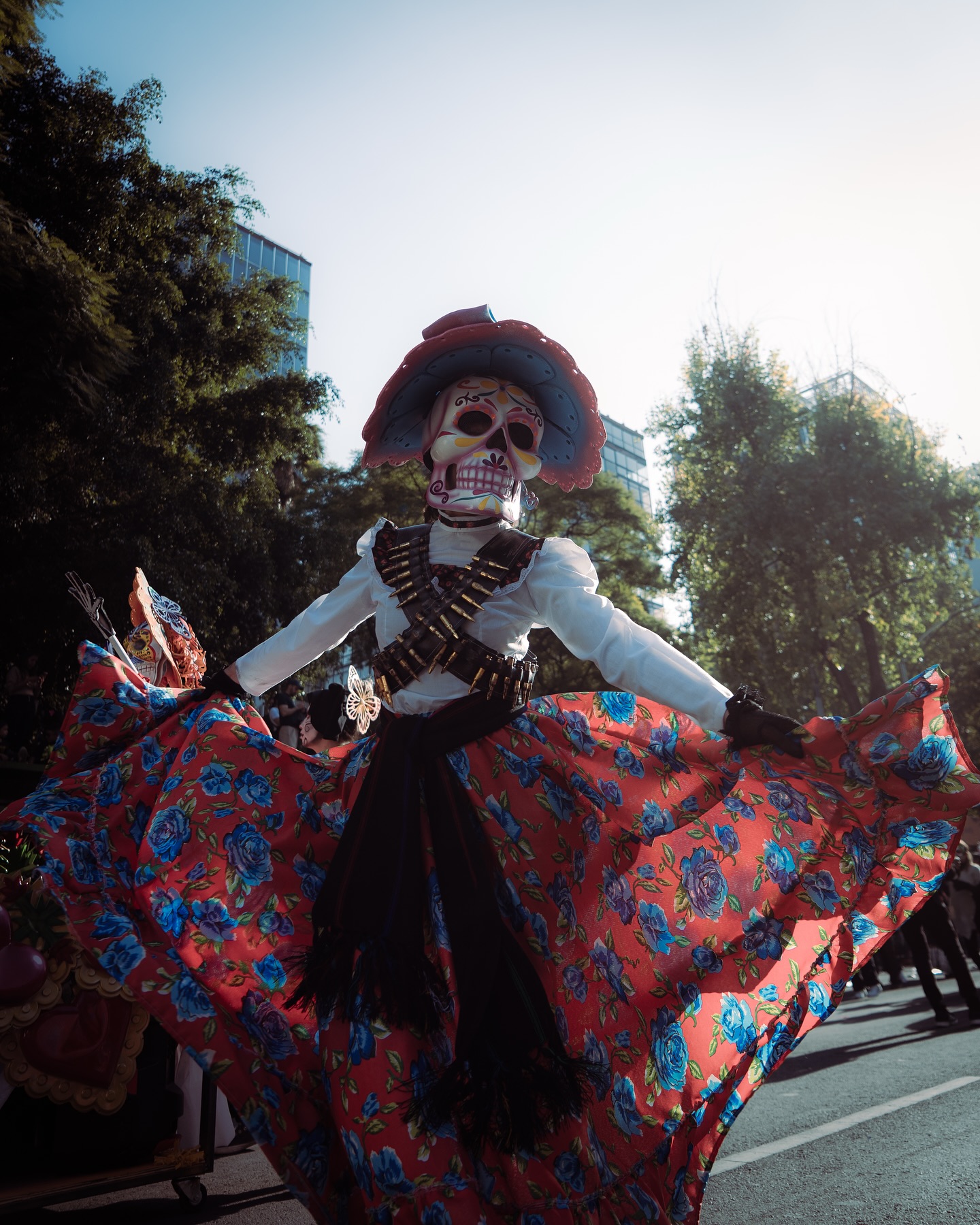
On Saturday, October 31, the Gran Desfile de Día de Muertos returns to Mexico City, beginning at 2:00 PM.
The parade travels along Paseo de la Reforma toward the Zócalo, transforming some of the city’s most recognizable avenues into an elaborate procession of monumental figures, music, dance, costumes, and allegorical floats.
It’s one of the most visually striking activities during Día de Muertos in Mexico City.
And also one of the busiest.
Visitors should arrive early, choose a viewing area in advance, and anticipate road closures throughout the afternoon.
There’s another detail worth considering: Formula 1 qualifying begins at 3:00 PM on the same day.
Trying to experience both events in full is unlikely to be practical.
Choose the grandstands or the parade, then allow the rest of the day to unfold naturally.
Mexico City will offer more than enough reasons to stay out after either one.
There’s another detail worth considering: Formula 1 qualifying begins at 3:00 PM on the same day.
Trying to experience both events in full is unlikely to be practical.
Choose the grandstands or the parade, then allow the rest of the day to unfold naturally.
Mexico City will offer more than enough reasons to stay out after either one.
Día de Muertos 2026: Confirmed Events and Activities
An altar de Día de Muertos, or ofrenda, is more than a decorative arrangement.
Beyond the main parade, several cultural experiences offer different ways to discover the tradition.
Ofrenda Monumental at the Zócalo — October 29 to November 2
The city’s main square becomes home to a monumental Day of the Dead installation. Set against the architecture of the Historic Center, it offers one of the most memorable settings in which to appreciate the symbolism of the ofrenda.
Festival de Día de Muertos at Chapultepec — October 29 to November 4
An immersive cultural experience in the Second Section of Chapultepec, combining art, music, illuminated installations, and traditional elements associated with the celebration.
Día de Muertos Illuminations — October 29 to November 4
Decorative lighting across the Zócalo and surrounding historic buildings brings a different atmosphere to the city after sunset.
Traditional Celebrations in Mixquic — October 31 to November 2
For travelers interested in experiencing the tradition beyond the city’s largest public spectacles, San Andrés Mixquic offers an opportunity to discover community-centered commemorations.
These celebrations carry deep personal and religious significance. Visitors should approach them respectfully, particularly in cemeteries and spaces where families are honoring loved ones.
Not every meaningful experience needs to become a photograph.
The Viadora Local Guide: Mexico City Between the Celebrations
One of the most common mistakes visitors make during major events is treating the city as little more than a backdrop.
Mexico City deserves better.
Its neighborhoods are not simply places to pass through between scheduled activities. They are often where the most memorable parts of a trip unfold.
Roma Norte: Where the City Finds Its Creative Rhythm
Roma Norte Mexico City has become synonymous with contemporary culture, independent design, and an increasingly ambitious culinary scene.
But its appeal is less about individual destinations and more about how effortlessly they connect.
A morning coffee becomes a walk past early twentieth-century architecture. A visit to a small gallery turns into an unexpected discovery. Lunch stretches well beyond its original reservation.
For those looking to explore the neighborhood’s dining scene, Rosetta Mexico City remains one of its most recognizable culinary addresses. Chef Elena Reygadas’ restaurant on Colima Street offers a distinctive interpretation of contemporary Mexican cooking in an intimate, architecturally rich setting.
Reservations are strongly recommended during Formula 1 weekend.
And while the neighborhood is known for its restaurants, some of its best experiences require no reservation at all.
Just comfortable shoes and a little curiosity.
Condesa Mexico City: A Different Kind of Energy
If Roma is creative and expressive, Condesa moves with a softer rhythm.
Tree-lined avenues, Art Deco architecture, neighborhood cafés, and the familiar greenery of Parque México create an atmosphere that feels remarkably residential for one of the world’s largest cities.
It’s a neighborhood made for walking without a particular destination.
Start with coffee near Avenida Amsterdam. Spend an afternoon discovering independent boutiques and restaurants. Return in the evening for cocktails or a long dinner.
During a weekend as intense as Formula 1 and Día de Muertos, Condesa offers something particularly valuable.
The feeling that you can participate in the city’s excitement without being consumed by it.
Polanco: Art, Architecture and a More Cosmopolitan Mexico City
Polanco offers another perspective.
More polished, more structured, and home to some of the capital’s most celebrated restaurants, museums, and luxury boutiques, it’s an ideal neighborhood for travelers looking to combine cultural exploration with a more refined pace.
A visit to the Museo Nacional de Antropología, or National Museum of Anthropology Mexico City, is particularly worthwhile during Día de Muertos.
Its extraordinary collections provide historical and cultural context for understanding Mexico’s Indigenous civilizations and the traditions that continue to shape the country today.
Allow several hours to explore.
This is not a museum best experienced in a hurry.
Where to Stay in Mexico City During Formula 1 and Día de Muertos
Most travelers visiting for Formula 1 will naturally begin by searching for hotels near the Autódromo Hermanos Rodríguez or hotels near Mexico City Airport.
The logic is understandable.
But proximity alone doesn’t always translate into a better experience.
The airport and racetrack are important arrival points and destinations. They aren’t necessarily where you’ll want to spend the rest of your trip.
For travelers looking to experience the city’s restaurants, galleries, architecture, and neighborhood culture, Roma Norte, Condesa, and Polanco offer a more compelling base.
And during a weekend this busy, where you return at the end of the day matters.
A traditional hotel room can provide convenience. A thoughtfully designed residence offers something more personal.
- Space to unwind.
- A living room to gather with friends.
- A kitchen for a slow morning.
- The privacy to step away from the city’s energy without feeling disconnected from it.
- That distinction becomes especially meaningful during major international events.
The Viadora Way: A More Personal Way to Experience Mexico City
Viadora’s collection of boutique residences reflects a different understanding of luxury travel.
One that places as much importance on how a destination feels as on where you sleep.
In Roma Norte, XOMA combines contemporary architecture, spacious suites, and a rooftop pool with access to one of the city’s most creative neighborhoods.
In Condesa, Frida, Félix, Leonora, and The Amsterdam offer distinctive residential experiences for travelers who appreciate thoughtful design, neighborhood character, and the flexibility of having space to settle in.
Casa Cleo brings its own intimate personality to the same vibrant area, while Isabella, in Polanco, offers a more cosmopolitan setting.
Across the collection, the emphasis remains consistent: considered interiors, daily housekeeping, personalized host support, and spaces designed for living rather than simply passing through.
Especially when the city outside is moving at full speed.
Practical Tips for Visiting Mexico City in October and November
A little preparation goes a long way during one of the busiest weekends of the season.
Getting around: Mexico City Airport is a major arrival point, but travel times to Roma Norte, Condesa, and Polanco vary considerably with traffic. Arrange airport transportation in advance and allow generous time for transfers to the racetrack.
Restaurant reservations: Popular restaurants, including Rosetta, may be particularly busy. Reserve well ahead of your visit.
Currency: Mexico uses the Mexican peso (MXN). If you’re checking pesos to dollars, use a current exchange-rate source rather than relying on a fixed conversion.
Weather: Late October and early November generally bring pleasant daytime temperatures and cooler evenings. Light layers are useful, particularly after sunset.
Cultural etiquette: Día de Muertos is a living tradition, not simply a visual attraction. Ask before photographing personal ofrendas or family commemorations, and be respectful in cemeteries and religious spaces.
Plan with flexibility: Between race-day traffic, parade closures, and popular attractions, the best itinerary is one that leaves room for the unexpected.
Two Celebrations. One Unforgettable Mexico City.
And that’s perhaps what makes this particular weekend so memorable.
Mexico City brings everything in between.
Formula 1 brings the excitement.
Día de Muertos brings the meaning.
The best way to experience it isn’t necessarily to see everything.
It’s to stay somewhere that allows you to feel part of it.
Discover Mexico City with Viadora.
houghtfully designed stays. Remarkable neighborhoods. A city worth experiencing beyond the itinerary.